Ofgem must strengthen its approach to climate resilience in the upcoming RIIO-ED3 framework or risk leaving Britain’s grid underprepared for the pressures of ageing assets, rising electrification and more severe weather events, according to a new report by researchers from Imperial College London.
The report, ‘From Risk to Resilience: Advancing visibility and performance across the electricity network’, finds that while current ED3 proposals mark a clear positive step forward from the current price control, there remains a gap between Ofgem’s long-term resilience ambitions and the incentives needed for DNOs to deliver them in practice.
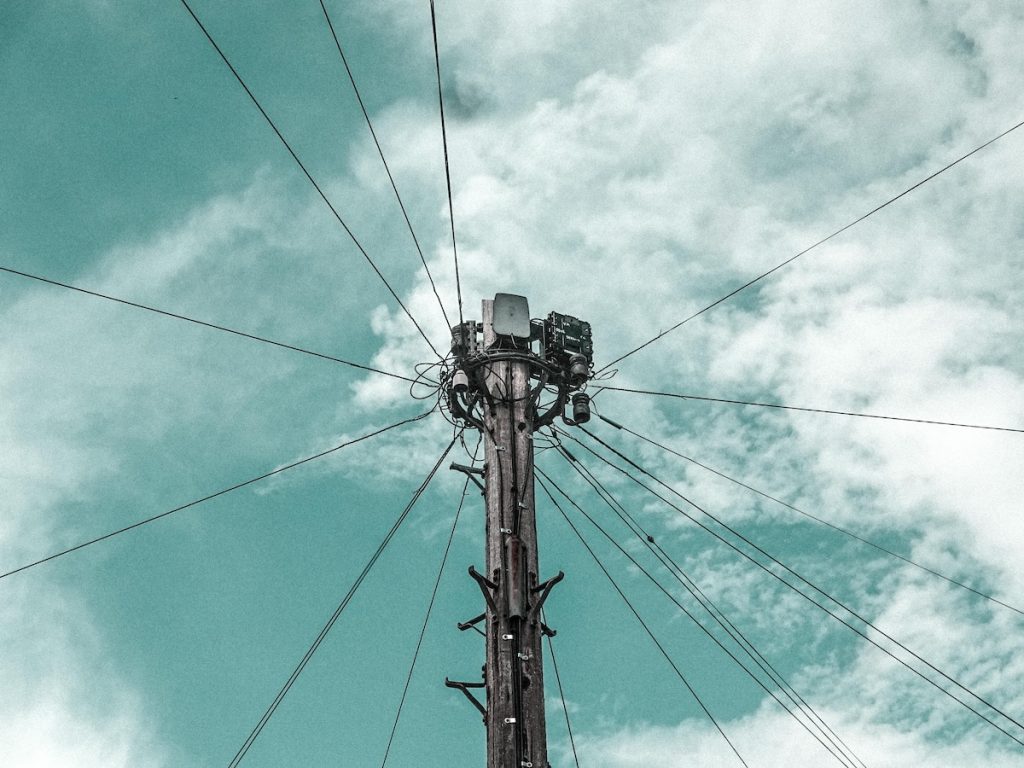
It argues that DNOs must move away from a reactive ‘fix-on-fail’ approach to network management, where faults are addressed after they occur, towards a ‘predict-and-prevent’ model based on real-time monitoring, early fault detection and proactive intervention.

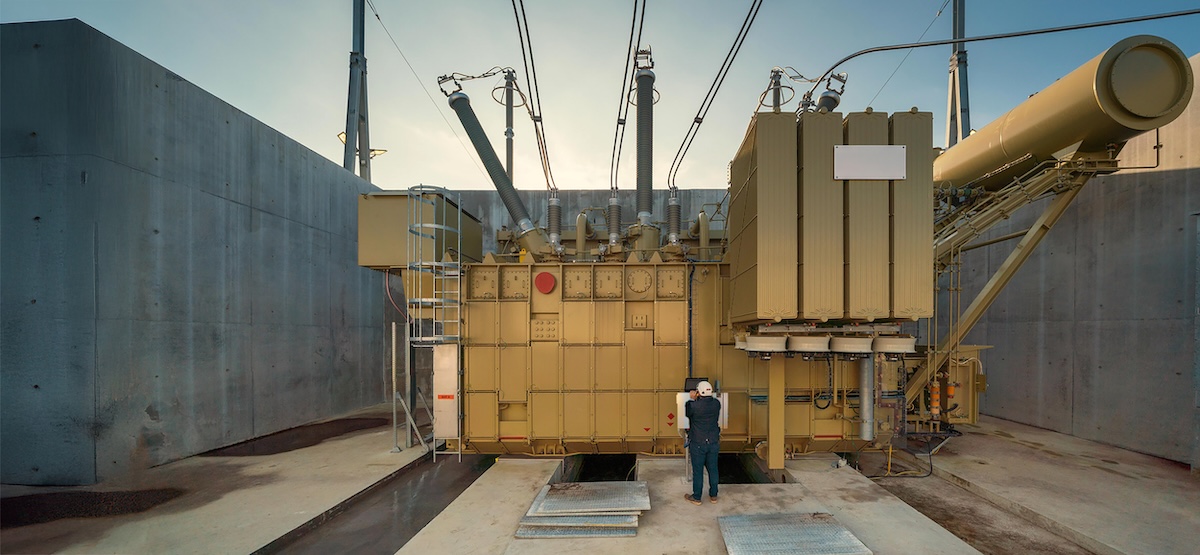
This comes as the GB electricity network enters a period of growing pressure, with ageing assets, the rapid electrification of heat and transport, greater reliance on uninterrupted electricity supplies and more severe weather events compounding vulnerabilities – as seen through recent events including Storm Arwen, which left around one million customers without power, and last year’s North Hyde substation fire disrupting Heathrow Airport and causing economic damage of £80-100 million.
The authors warn that, unless Ofgem turns its resilience ambitions into stronger investment signals, the framework risks leaving DNOs focused on short-term cost control rather than interventions that deliver long-term value for consumers.
Storm-related outages are identified as a particular gap. Under the Interruptions Incentive Scheme, severe weather events can be excluded from performance calculations, weakening the incentive for DNOs to invest in resilience against storms expected to become more frequent as the climate changes.
The report, commissioned via Imperial Consultants, calls for Ofgem to scale back these exemptions, introduce standardised climate resilience metrics, encourage solutions with multiple system benefits, and reward measurable outcomes such as faster fault detection, shorter restoration times and avoided outages.
It also highlights digital monitoring as a key capability to deliver enhanced visibility and insight, with modelling showing that continuous line monitoring could reduce customer minutes lost by up to 80% compared with the baseline scenario – a level of improvement that would be unaffordable through traditional asset-heavy solutions.
Lead author, Dr Aidan Rhodes, from Imperial College London’s Grantham Institute, said, “Britain’s electricity networks are entering a period in which resilience will become increasingly important, due to the increasing impact of extreme weather events and our rapidly ageing electricity network asset base. Digital technologies can provide a lower-cost way to monitor assets, allowing DNOs to predict and prevent faults rather than rely on expensive physical replacements.
“ED3 is an opportunity to ensure the regulatory framework keeps pace with that changing risk profile. Our report finds that Ofgem has recognised the importance of long-term resilience, but that stronger incentives and clearer metrics will be needed to translate this ambition into investment from DNOs.
“Our research also found conclusively that continuous line monitoring provides a major opportunity to improve network visibility, speed up fault detection and strengthen resilience in a cost-effective way – providing long-term value to consumers whilst enhancing the performance of the networks.”