
Six years on from the start of its regeneration, Teesworks is being transformed from a former steelmaking giant into one of the UK’s most significant industrial regeneration projects, bringing together clean energy, offshore wind, advanced manufacturing, skills and investment.
The 4,500-acre site, once home to one of the world’s largest steelworks, has attracted more than £7 billion in investment associated with three of its major developments.
The transformation is already delivering tangible results. More than 7,000 jobs have been created to date, with around 200 roles currently being recruited across projects on the site.
Behind this progress is a significant programme of enabling works. Investment has been made into the site, preparing the land for development. More than 38 structures associated with the former Redcar Steelworks have been demolished and approximately 392 acres across the identified development areas have been remediated.
Around 30% of the site’s land is now occupied, with a further 35% in legal processes or under contract. Meanwhile, more than 200 apprenticeship and training opportunities have been created, helping local people develop the skills needed to access the jobs emerging from the site’s transformation.
From major carbon capture infrastructure and offshore wind manufacturing to community investment and employment opportunities, six milestones illustrate how far Teesworks has come:
- NZT Power: £1.5 billion contract awards to UK businesses
One of the most ambitious projects taking shape at Teesworks, Net Zero Teesside Power(NZT Power) is turning plans for industrial decarbonisation into reality.
Construction is now well underway on the project, which is set to become the world’s first major gas-fired power station with carbon capture and storage. Once operational, the 742MW plant will provide flexible, low-carbon power to the UK grid – equivalent to the average annual electricity requirements of more than one million UK homes.
The project will capture up to 2 million tonnes of CO₂ every year, with the captured carbon transported for secure storage beneath the North Sea through the Northern Endurance Partnership.
Together, NZT Power and NEP have now awarded more than £1.5 billion in contracts to UK businesses, with the projects on track to deliver more than 50% UK content and create and support more than 3,000 jobs during construction.
The investment is also creating opportunities across the regional supply chain. Thornaby-based PX Group has secured a five-year operations and maintenance contract expected to create around 100 local jobs, including apprenticeships, while Teesside-based Cavendish Northern’s piping prefabrication contract is expected to create more than 60 roles at its Billingham facility. North Yorkshire-based Potter Plant Hire has also created 70 new plant operator roles, with all positions filled by people living within an average of 13 miles of the project.
- Tees Valley Energy Recovery Facility: 1,000 workers onsite
The Tees Valley Energy Recovery Facility (TVERF) represents another significant development in the transformation of Teesworks, bringing new energy infrastructure to the site.
The facility will use non-recyclable waste to generate energy, diverting waste from landfill while contributing to the region’s energy needs. With a direct capital investment reported in excess of £600m, it’s one of the major developments contributing to Teesworks’ growing portfolio of industrial infrastructure.
Construction has brought a substantial workforce to the site, with around 1,000 workers reported on site during the project’s development. Once operational, the facility is expected to support approximately 150 permanent jobs, alongside an estimated 500 to 750 construction roles.
The project is also creating opportunities for local workers and suppliers, including four apprenticeship places identified to date.
- Teesworks Skills Academy: Supporting local talent through training and employment pathways
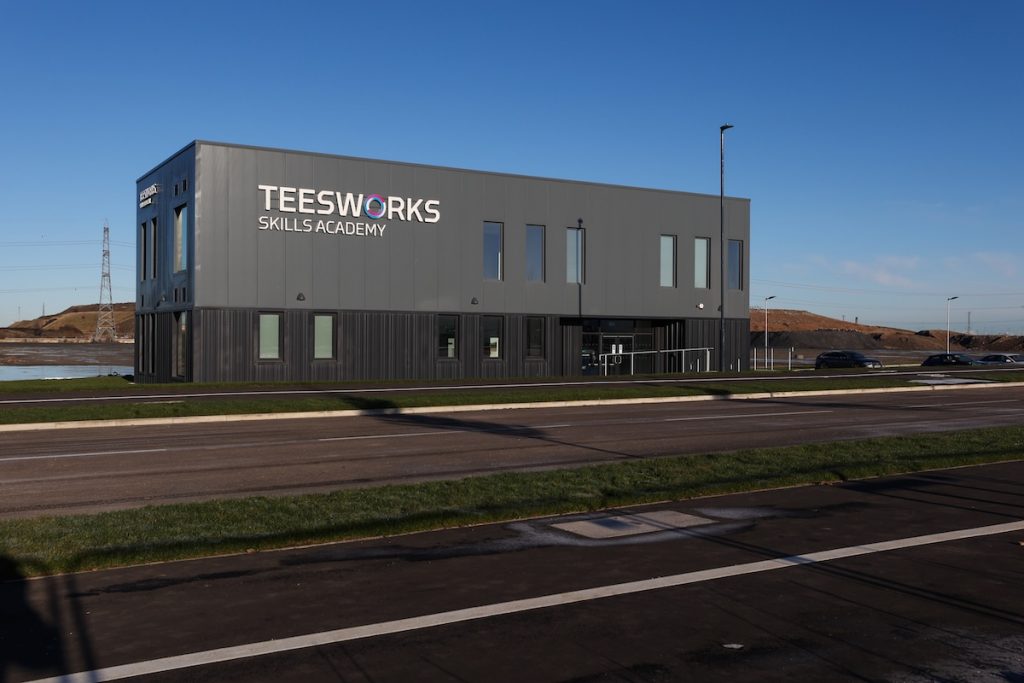
The Teesworks Skills Academy plays a pivotal role as the link between employers, supply chain businesses, training providers and local communities, ensuring that workforce development is aligned to the needs of one of the UK’s largest industrial regeneration programmes.
Working closely with major investors, contractors and education partners, the Academy designs and coordinates bespoke upskilling, reskilling and employability programmes that create clear pathways into employment.
This includes the successful delivery of specialist welding bootcamps developed with SeAH Wind, Nordic Training and Middlesbrough College, providing local residents with the skills required to access opportunities within the emerging offshore wind supply chain.
The Academy also supports social value commitments across major projects, including Net Zero Teesside Power and Northern Endurance Partnership, through the management of scholarship and employment pathways. Since construction commenced on the Net Zero Teesside project, 142 scholars have progressed into opportunities, contributing to a total of 174 young people supported into employment, apprenticeships, training and career development opportunities within NZT alone.
Through these initiatives, the Teesworks Skills Academy acts as a trusted conduit between industry demand and local talent, helping businesses access skilled workers while enabling local people to benefit from the transformational economic opportunities being created across Teesworks and the wider Tees Valley.
- Steel River Quay: 150 monopiles handled for Hornsea 3 so far
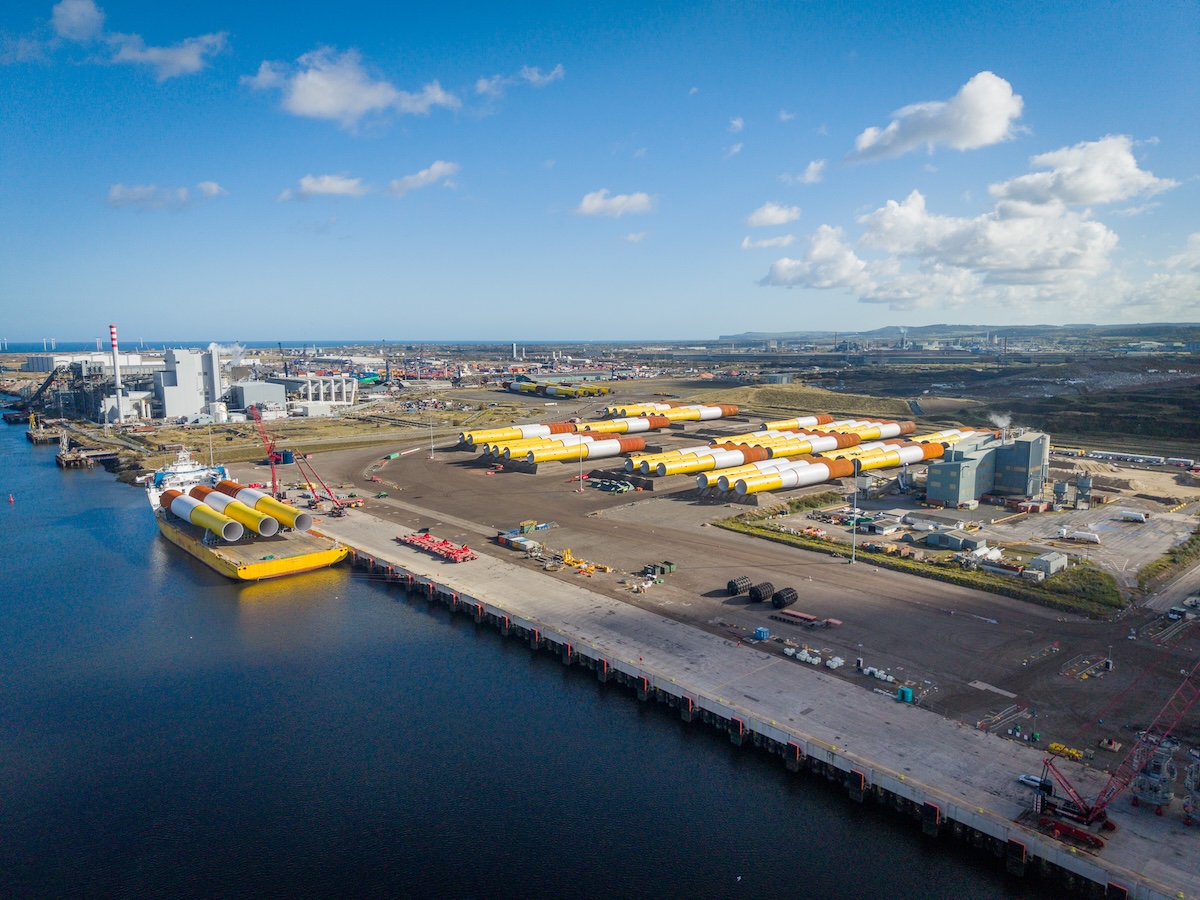
Steel River Quay has become a key gateway for Teesside’s growing offshore wind industry, providing the deep-water infrastructure needed to handle some of the sector’s largest components and vessels.
The 450-metre-long heavy-lift facility represents approximately £115 million of investment and has been designed to accommodate some of the world’s largest offshore wind installation vessels.
Since becoming operational, the quay has welcomed major vessels, including Cadeler’s first A-class vessel, Wind Ally, and served as the destination for KING ONE, Dajin’s 40,000-deadweight-tonne heavy-lift deck carrier, on its maiden voyage.
The facility is also supporting the movement of components for major offshore wind developments, including Ørsted’s Hornsea 3 project.
In early 2026, the first six Hornsea 3 monopiles arrived at Steel River Quay. Each structure is around 90 metres long and weighs an average of 1,670 tonnes. They formed the first delivery in a planned total of 197 monopiles destined for the project.
- Teesworks Benevolent Foundation: £528k invested in local communities
The impact of Teesworks extends beyond its industrial and economic achievements.
Through the Teesworks Benevolent Foundation, the regeneration has also supported communities and organisations across the region, helping to ensure that the benefits of the site’s transformation reach the people who live and work in the Tees Valley.
Since its launch, the Foundation has contributed £528,000 to local community organisations, supporting causes including health and wellbeing, education, reducing social isolation, community meals, children’s activities and equipment for children with special educational needs.
Recent contributions have included funding for the Tees Valley Women’s Centre in South Bank and its brand-new community mural, alongside ticket packages donated to the CAUSE Foundation’s summer event for the first Middlesbrough FC home game of the season.
It’s an important part of Teesworks’ wider legacy – demonstrating that regeneration is about more than economic growth and that supporting local communities is central to the site’s future.
- SeAH Wind: A Royal seal of approval
Perhaps the most visible symbol of Teesworks’ transformation is SeAH Wind, which has turned the former steelmaking site into the home of the world’s largest monopile manufacturing facility.
The development, representing close to £1 billion in investment, has brought a major new manufacturing capability to the former steelmaking site and demonstrated the strength of the region’s industrial supply chain.
Steel for the factory was supplied by British Steel from its Teesside Beam Mill at Lackenby, with Northallerton-based Severfield fabricating the structural steel before it was installed at Teesworks. The deal was worth more than £100 million, illustrating how major developments at the site can create opportunities for businesses across the wider region.
SeAH Wind is also creating skilled employment opportunities, with 40 apprenticeships identified to date and a wider workforce contributing to the development of the offshore wind supply chain.
The transformation was highlighted during His Majesty King Charles III’s visit to Teesworks in February 2025, when the King toured the SeAH Wind factory and met apprentices embarking on careers at the site.
The facility represents a significant step in Teesside’s industrial evolution, combining the area’s long-established manufacturing heritage with the technologies and skills needed to support the next generation of offshore wind.
Six years of regeneration and a future taking shape
Six years of regeneration have seen Teesworks move from a former steelmaking site towards a new future centred on clean energy, advanced industry, skills and investment.
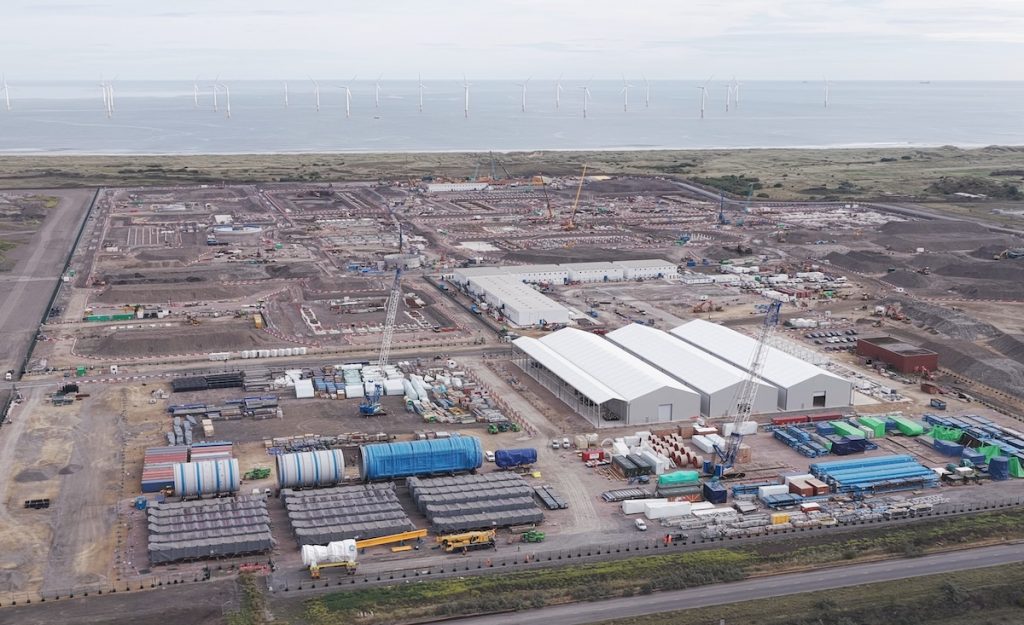
The scale of progress is reflected in the figures: more than 7,000 jobs created to date, billions of pounds in investment associated with major developments, hundreds of acres of remediated land and more than 200 apprenticeship and training opportunities. With further land occupied or progressing through legal processes, the site continues to evolve.
For Chris Musgrave OBE, Teesworks Ltd chairman, the six-year milestone demonstrates how far the site has come. He said, “Today, Teesworks is becoming a platform for the industries of the future. From offshore wind and carbon capture to skills, jobs and community investment, we’re seeing the foundations of a new industrial economy taking shape.
“The scale of the transformation is significant, but this is only the beginning. Our focus now is on building on that progress and ensuring Teesworks delivers lasting economic, environmental and social benefits for Teesside.”
With major projects continuing to progress across the site, Teesworks is entering its next chapter with a clear ambition: to build on the foundations laid over the past six years and ensure the economic, environmental and social benefits of regeneration continue to be felt across Teesside.