 If your household runs two or more cars, replacing one with an electric vehicle (EV) can be a practical way to see how electric motoring fits into daily life. Start by looking at which car does the most regular journeys, where you could charge it and how much it would cost to buy and run.
Which car makes sense to replace first?
The car you use for commuting, school runs or trips to the shops is often a good candidate, especially if you can charge it overnight. Look at how far each car typically travels, who uses it and when it’s parked at home.
If your other car regularly covers longer distances or travels to places with limited charging, check what those trips would involve in an EV. You might decide to keep a petrol or diesel car for those journeys while switching the one you use day to day.
Can you charge at home?
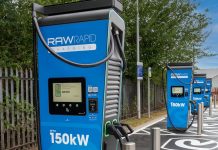
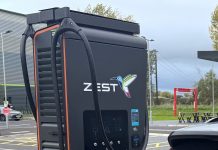
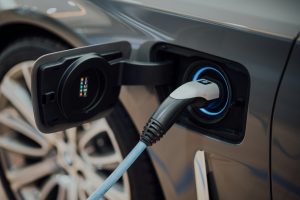
Charging at home can make day-to-day EV ownership easier. If you have a driveway or a dedicated parking space, check whether you can install a charge point and plug in overnight.
If you rely on on-street parking, look at public charge points near home or work and check whether your council offers residential charging. Factor in what you’ll pay and how often you can realistically use the chargers.
Will switching one car save money?
Charging at home on a suitable off-peak tariff can cost less per mile than filling up with petrol or diesel. How much you save overall depends on the car you choose, your annual mileage and how often you rely on public charging.
Compare the purchase price or monthly finance payments alongside fuel or electricity, servicing, vehicle tax and insurance. If you have multi-car insurance, ask what replacing one vehicle would do to your total premium. If you cover relatively few miles, savings on fuel may take longer to offset a higher purchase price.
When should you consider switching the second car?
After six to twelve months, compare your actual mileage, charging and running costs with what you expected. It’s also worth looking at how often you still use the other car for journeys you’d struggle to make in the EV. That gives you a clearer basis for deciding what to buy when the second car is due for replacement.