
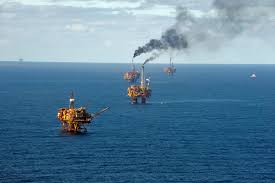
Jackdaw will start to supply gas from the end of this month, after the Energy Secretary agreed that the regulator can grant consent for gas to be produced at the field.
The Jackdaw decision is expected to increase domestic gas production by around 6% at its peak – supporting the UK’s gas supply over its lifespan of up to 11 years, boosting our energy security, protecting hundreds of jobs and adding an estimated £2.9 billion to the UK economy.
The heatwaves and extreme weather events experienced this year highlighted the importance of tackling the climate crisis. The Government remains committed to the green transition and net zero – moving away from fossil fuels and towards renewable and nuclear energy. But even on the path to net zero, the UK will still require oil and gas as part of our energy needs for decades to come.
Energy Secretary Miatta Fahnbulleh said, “Following careful consideration of all relevant factors I have agreed that the regulator can grant consent for gas to be produced at Jackdaw, which will begin to supply the UK with gas from this winter thanks to the highly skilled and vital North Sea workers.
“This decision will support the country’s energy security with homegrown gas this winter and help minimise the UK’s use of imported higher emission fuels as we continue our transition to renewables and nuclear.
“The decision is compatible with our legally binding climate commitments, and we remain resolute in ending new licences for oil and gas and achieving net zero by 2050.”
It has support in some sectors of the energy market with Greg Jackson, Founder and CEO of Octopus Energy Group saying, “This is good energy policy. Jackdaw will replace 20 ships a year of imported gas, with cleaner British gas that pays tax here and sustains jobs for longer.
“But it won’t bring prices down or provide much insulation against geopolitics and dictators, which is why we need to speed up the adoption of heat pumps.”
RenewableUK’s Chief Executive Tara Singh agreed, saying, “RenewableUK, as the trade association for the UK’s clean power industry, does not take a position on individual oil and gas licensing decisions, but we support the North Sea and the people who work in it. Oil and gas will continue to play a role in our energy mix during the transition, and the North Sea provides job and tax revenue benefits as it does so. We also recognise that many of the skills, capabilities and companies supporting the UK oil and gas sector are also being used to build the clean power system of tomorrow – with more than a third of RenewableUK members today supporting both sectors.
“The Government’s announcement of a new Energy Wealth Fund is potentially an important part of the energy transition, and we look forward to seeing the detail. Offshore wind is already a mature, cost-competitive technology, with new capacity secured through auctions for Contracts for Difference. The fund could however further support UK supply chains, as well as the next generation of innovative technologies, including deepwater and floating offshore wind.”
However not all think giving Jackdaw the greenlight is the right thing to do, Ami McCarthy, Head of Politics for Greenpeace UK, said, “Approving Jackdaw shows the toxic grip fossil fuel lobbyists still hold over our energy policy. Andy Burnham promised pragmatism, but there is nothing pragmatic about rubber-stamping a project that won’t lower energy bills, won’t boost energy security and will create just 27 full-time jobs.
“What Jackdaw is guaranteed to do is generate record profits for Shell and Equinor while supercharging the climate chaos hitting families here and abroad. Going on to approve Rosebank would detonate an even bigger carbon bomb, releasing as much carbon as 56 coal plants operating for a year.
“True pragmatism means severing our reliance on expensive oil and gas that leaves British households broke, supercharges extreme weather, and leaves our energy security at the mercy of petrostates.”