
The Welsh Government is finalising its approach to a National Energy Strategy, which will be published later this year. It sets out Welsh Government’s vision for a low carbon energy system that retains value in Welsh communities.
The outcome will map out Wales’ current and future energy needs and how it plans to deliver the infrastructure needed to meet them. It will prioritise meaningful community ownership, reducing bills, and ensuring the full benefits of low carbon energy are maximised for Welsh communities.
It will also see renewable energy targets replaced by emissions reductions and prioritise a clear evidence base to consider options for where development should take place in Wales.
Communities will be central to this approach – Welsh Government will consider not only where projects can be delivered, but how they can secure local support.
Changes will be required to how energy is planned, ensuring the scale, location and impact of developments are properly considered, while protecting productive agricultural land. This represents a significant shift in how energy is delivered in Wales.
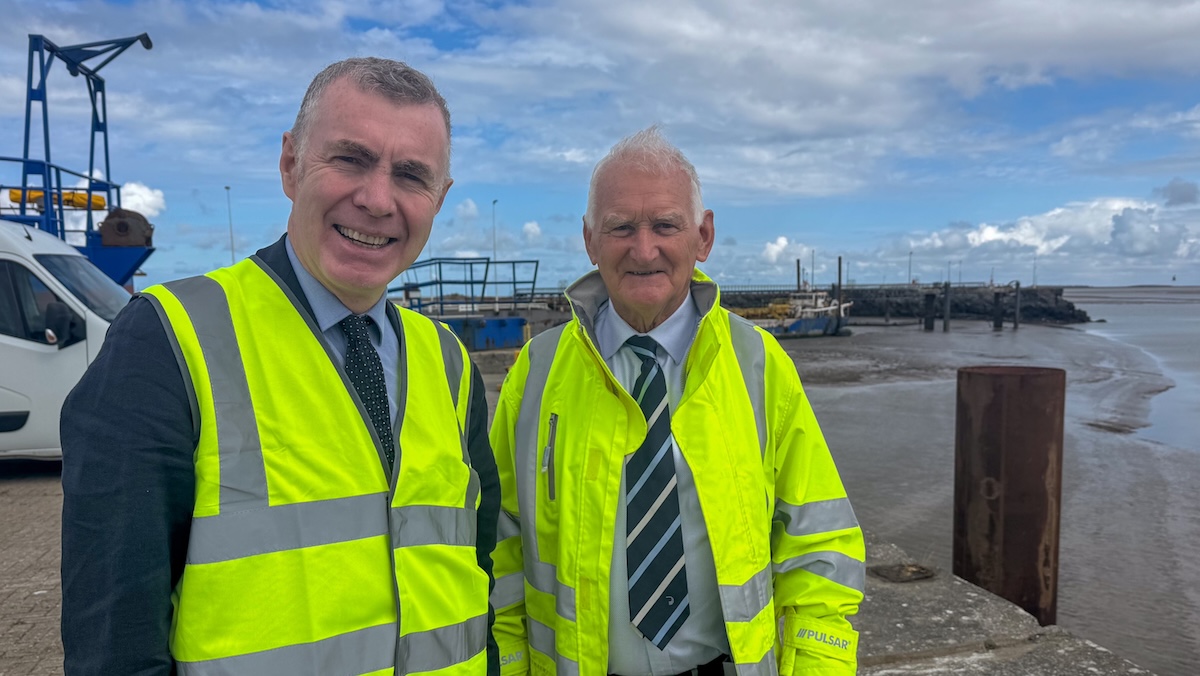
The Cabinet Member for Enterprise, Connectivity and Energy, Adam Price, visited the Port of Mostyn and Port of Milford Haven this week to discuss their critical role supporting the offshore wind sector.
He said, “The transition to net zero is not just an environmental necessity, it is a major, transformative economic opportunity. Our ambition is to secure sustainable growth, attract further investment, create high-quality jobs and support thriving communities across Wales.
“We are also determined that the communities hosting renewable energy developments are genuine beneficiaries through a new Wales Wealth Fund. As we create clean energy in Wales more of it will be owned in Wales. This will be led by our approach to create the Welsh Public Energy Company.
“We will also develop Trydan Gwyrdd Cymru to create a single national energy company to grow community and local ownership of renewables, while ensuring energy developments are properly considered through the planning system to balance local impact with efficient delivery.
“Alongside this work, we are progressing our policy on undergrounding electricity infrastructure at 132kV and below. The National Energy Strategy will set out the actions and timelines to deliver on all of these changes.”
Tom Sawyer, Chief Executive of the Port of Milford Haven, said, “Ports will play a vital role in supporting the growth of a low carbon economy. As Wales’ largest port and the UK’s leading energy port, we look forward to working alongside government and industry to help deliver this vision.
“Wales can reduce emissions while retaining the industrial capability, skilled jobs and energy infrastructure that underpin our economy, and the Milford Haven Waterway is uniquely placed to help deliver that ambition while ensuring the benefits are retained within Welsh communities.”
Jim O’Toole, Managing Director of the Port of Mostyn, said, “The Port of Mostyn was pleased to welcome the Cabinet Member to our Port and to learn about the progress of the Welsh National Energy Strategy. His visit also provided us with the opportunity to brief him about our plans to expand our construction port capabilities in readiness for the next generation of offshore energy projects in the Irish and Celtic Seas.”