
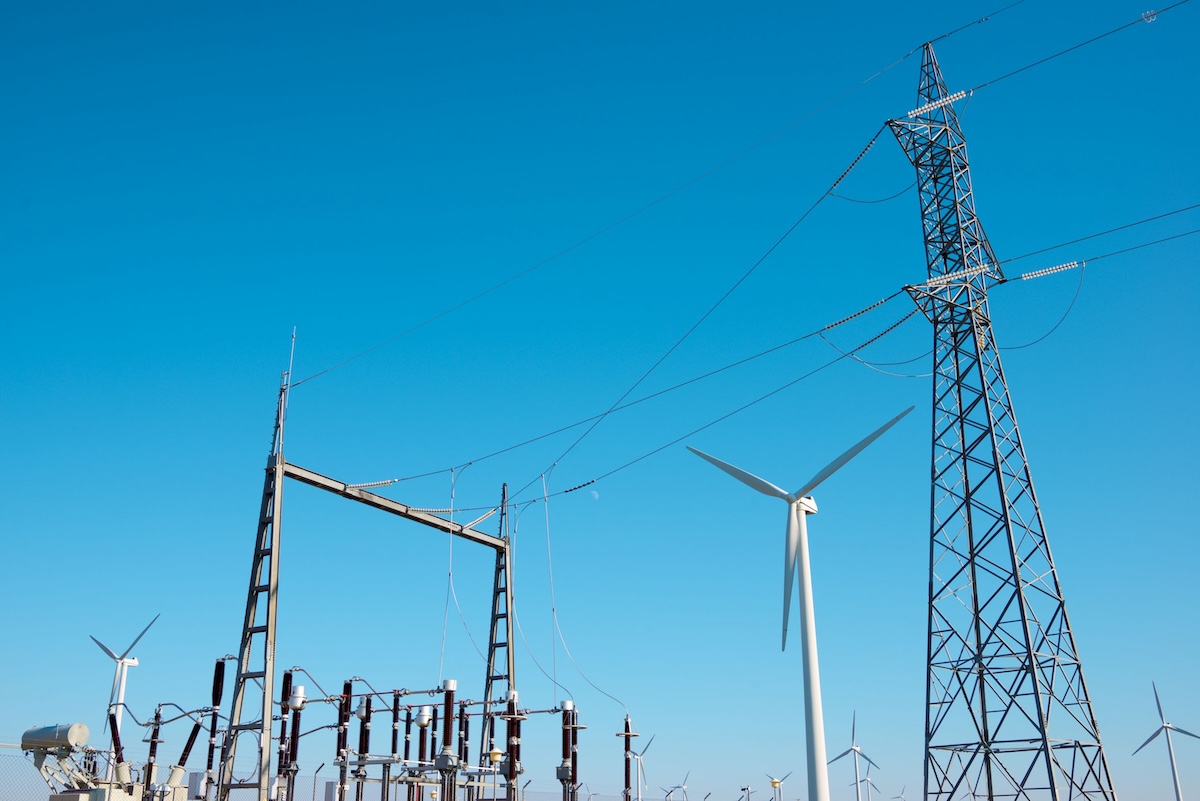
 The UK has recently confirmed a record number of solar and wind contracts as part of its 2030 renewable energy strategy, showing rapid growth in the sector. However, there are concerns that many of these projects could struggle to connect to the grid or face significant delays because the existing grid infrastructure capacity. Mike Torbitt, managing director of resistor manufacturer Cressall, explains the challenges of connecting high volumes of renewable energy sources to the grid and how engineering can ensure a stable transition.
The Government’s latest Contracts for Difference auction secured 4.9GW of solar capacity alongside 1.3GW of onshore wind and tidal projects: enough to power around 16 million homes. While this marks significant progress, expanding generation alone is not enough without a system capable of handling variable power safely and reliably.
These figures underline the scale of progress. But, they also expose a growing disparity between generation targets and infrastructure readiness. As Giles Dickson, CEO of WindEurope, in December 2025 stated, “Grids are vital to Europe’s energy security and competitiveness but you cannot have more renewable electricity without more grids”.
As reported by Montel, in the UK and Ireland, the lack of modern grid infrastructure has led to an estimated 10TWh of renewable electricity being curtailed in 2025. This is enough power to support one million homes for a year. The key is that as the amount of renewable energy capacity increases, the lack of adequate infrastructure to transmit and distribute this power is leading to financial losses and unnecessary carbon emissions.
The variability challenge
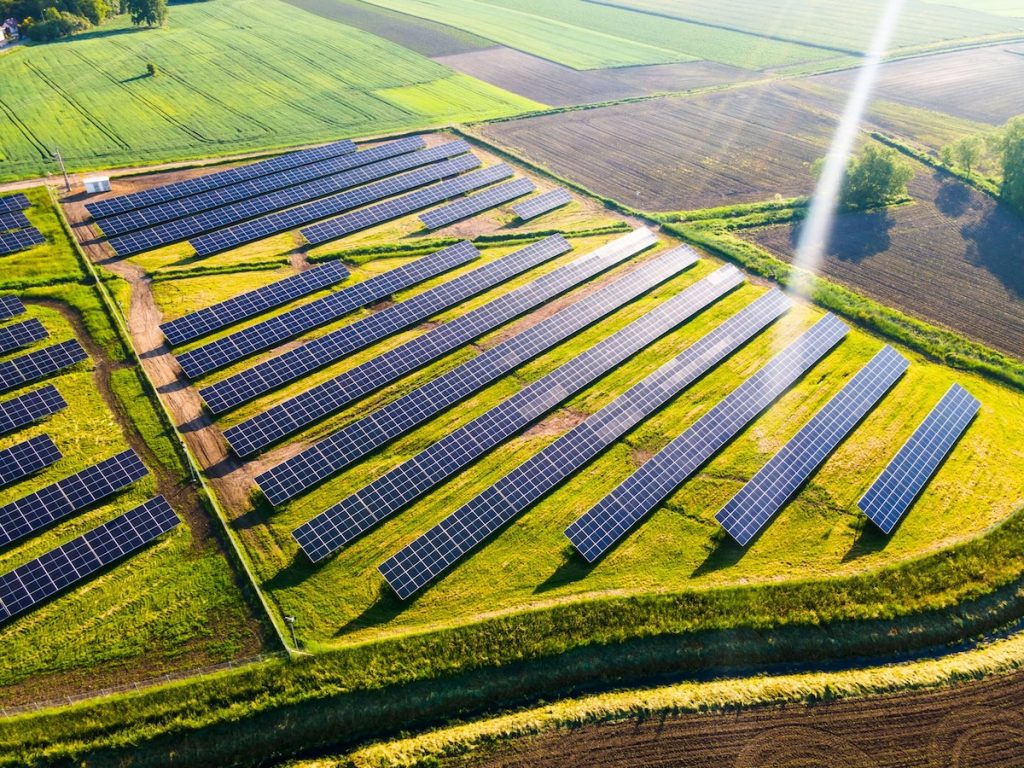
At the heart of the issue is intermittency, solar and wind power output is dependent on the weather and can change from minute to minute. These unpredictable ramps in power flow can lead to sudden dips in voltage, trigger curtailment and stress equipment across an entire region if not properly managed.
Even as onshore wind and solar power become cheaper than building a new gas-fired power station, cost competitiveness does not equate to system stability. Without proper protection and flexibility, variable power can put more stress on equipment, reduce their lifespan and lead to more frequent curtailment events, which is already costing the UK renewable industry hundreds of millions of pounds a year, with the eventual burden falling on consumers.
Another technical shift compounds the challenge: system dynamics. As conventional thermal plants retire, the grid is losing the inherent inertia once provided by large rotating machines. Inverter-based renewable generation behaves differently, responding faster but offering less natural damping during disturbances. This makes networks more sensitive to voltage fluctuations and fault conditions. The transition to renewables is not simply about replacing one power source with another. It requires reengineering how the entire system responds under stress.
Engineering solutions for a high renewable grid
Addressing these challenges requires more than expanding transmission lines. As renewable penetration increases and conventional generation retires, the grid is becoming more sensitive to disturbances.
One of the most important, but often overlooked, aspects of grid stability is controlled fault management. In inverter-dominated systems, fault currents are less predictable, sometimes lower in magnitude but longer in duration or influenced by control settings. Traditional protection schemes may no longer respond reliably, making controlled fault management essential.
When a ground fault happens in a renewable energy system or a connected network, the fault current that is created has to be constrained in order to avoid damage to transformers, switchgear and cables. In a highly renewable, decentralised system, the configuration of protection is more complicated. If fault currents are not controlled, they can cause cascading failures and prolonged outages.
Engineering solutions that account for inverter behaviour, asset distribution and real-time control are key to maintaining a stable and resilient system.
How NERs keep renewable networks stable
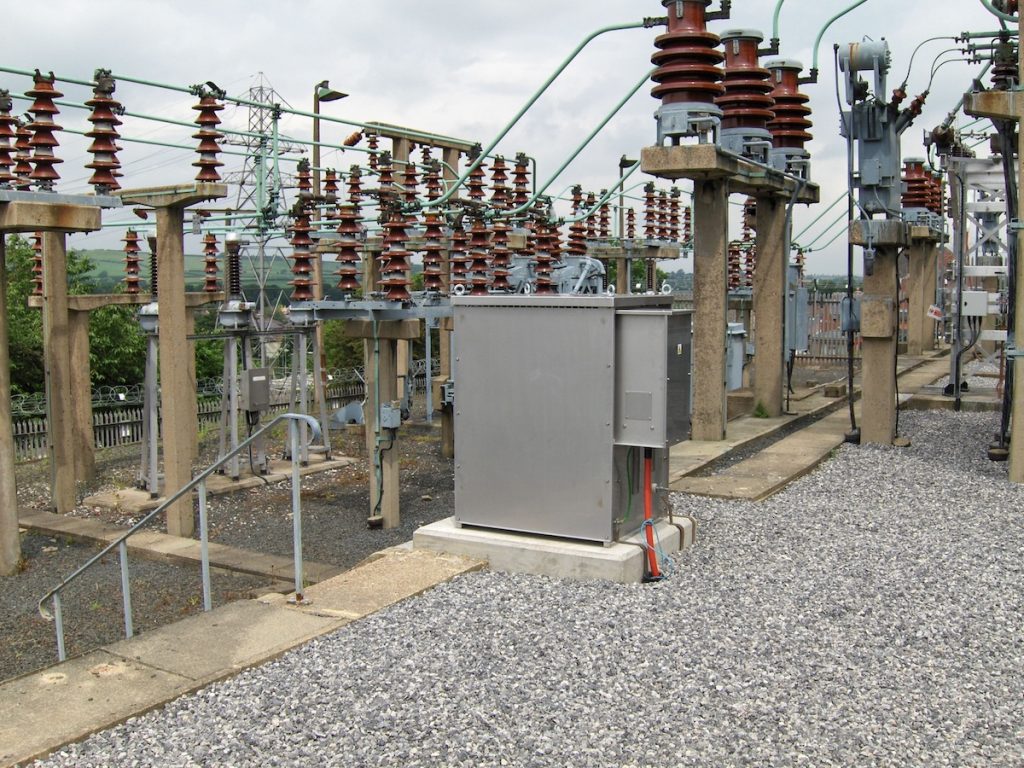
Neutral earthing resistors (NERs) are a simple yet essential protection method. By controlling the fault current to a safe and predetermined value, they can ease thermal and mechanical stresses on equipment while enabling protection systems to simply isolate the affected part of the network. This means fewer surprise outages, lower repair costs and a more stable electricity supply: just the kind of operational reliability that renewable energy companies require.
As renewable integration accelerates, collaboration between developers, network operators and specialist engineering partners will be essential to ensure the transition delivers not just installed capacity but secure and dependable electricity.
With the continued growth of renewable energy, fault levels in networks are evolving. It is essential for engineers to reevaluate protection schemes to ensure that the grid is robust under the new conditions of operation. Therefore, investing in effective current limiting solutions is not merely a regulatory requirement but a means to ensure that the growth of renewable energy translates into a stable electricity supply.
The recent auction results are an encouraging milestone, but they also underline the need for a stronger focus on operational resilience. Without appropriate protection technologies embedded across renewable and grid-side infrastructure, projects risk avoidable downtime and asset damage that undermine their long-term performance.
To find out more about the role of resistors in renewable energy generation, speak to Cressall’s experts.



This article sets outa lot of the issues and I cannot disagree with any of it. My concern is that older DNO LV installations are the forgotten poor relative of the glamourous grid debate. Speedy connections and a well-designed generator EHV/HV/MV network will not deliver for prosumers connected to urban infrastructure that is constrained in rating and capacity. Perhaps the only thing worse than waiting for years for a renewables grid connection is the days weeks and months of disruption (blackout) for the prosumer when their supply cables/terminations fail and local LV/MV kit needs replacing by digging up their streets..