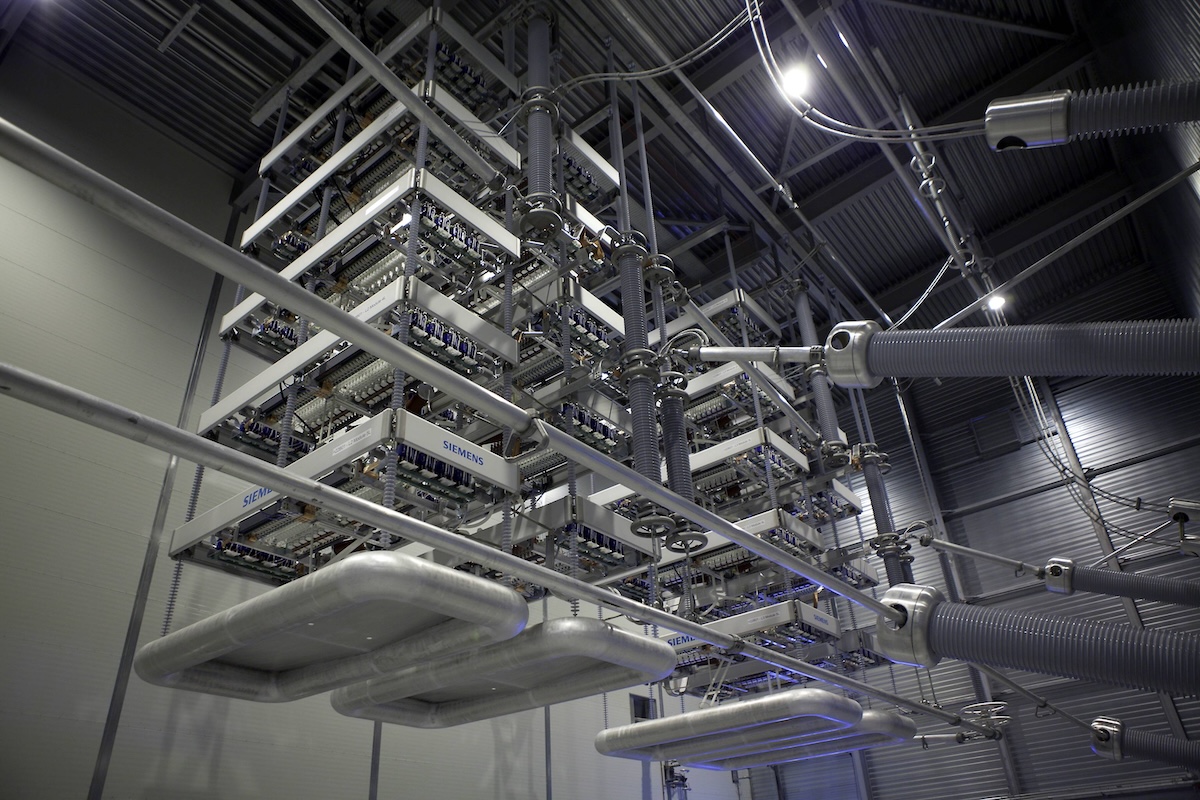
BritNed, the subsea electricity interconnector linking Great Britain and the Netherlands, is marking 15 years of electricity flowing between the two countries, delivering more affordable and secure power for millions of homes and businesses.
The milestone comes as National Grid and TenneT Netherlands, the Dutch transmission system operator, sign a new Joint Development Agreement to build on BritNed’s success through LionLink, a hybrid technology designed to maximise the consumer benefits of interconnection and offshore wind.
While National Grid and TenneT Netherlands have worked together for nearly two decades through the development and operation of BritNed, the new Joint Development Agreement for LionLink marks the two partners formally setting out how they will jointly develop the next‑generation interconnector project ahead of a final investment decision.
Since entering operation in 2011, BritNed has enabled the trading of electricity between the two markets, strengthening energy security and helping to reduce costs for consumers. Over the last five years on average, the interconnector has exchanged enough electricity each year to power 1.4 million homes annually.
At 260 kilometres long, with cables weighing together approximately 23,000 tonnes and 30 specialist cable laying vessels required in construction, BritNed was a landmark engineering project when it was built. It remains a vital part of the energy systems in both nations and in the last three years delivered £1.65bn in benefits for GB consumers as part of National Grid’s wider interconnector fleet compared to traditional gas generation. While, over its 15 years of operation, BritNed has generated approximately €1 billion in auction revenues on the Dutch side.
LionLink provides a direct point-to-point connection between the two nations, while also connecting to a planned offshore wind farm. This combined approach maximises offshore wind, provides additional flexibility and reduces the overall amount of infrastructure required.
The Joint Development Agreement sets out how National Grid and TenneT Netherlands will work together to progress the project ahead of a final investment decision, including arrangements for procurement, governance and planning, and provides greater transparency on project costs ahead of construction. The project is expected to be delivered in the early 2030s and will have a capacity of up to 2GW — enough to power up to 2.5 million homes.
Rebecca Sedler, Managing Director, Interconnectors, National Grid said, “For 15 years, BritNed has been a cornerstone of the UK–Netherlands energy partnership, helping to lower bills and strengthen security of supply. The collaboration we’ve built with TenneT is now shaping the next chapter of interconnection through LionLink, which will play a key role in delivering cleaner, more affordable energy by making better use of offshore wind and strengthening cross‑border energy security.”
Jan-Paul Dijckmans, Director Strategy & Partnerships, TenneT said, “Delivered through our close cooperation, TenneT and National Grid Ventures, will again provide substantial societal benefits with the hybrid interconnector LionLink. We welcome the Dutch Cabinet’s decision to establish an offshore electricity bidding zone to support the development of LionLink. The project will strengthen security of supply in both the Netherlands and the United Kingdom, enable a more efficient use of offshore grid infrastructure, reduce overall system costs, and support deeper integration of the European electricity market.”