Since time immemorial, humanity has drawn inspiration from the natural world. Leonardo da Vinci studied birds to design flying machines, while Velcro was inspired by burdock burrs clinging to a dog. These examples highlight biomimicry — an approach that not only imitates nature’s designs but also seeks to solve human challenges through innovative engineering. In this spirit, French deeptech startup EEL Energy sought to redefine how we harness energy from nature. But when a delamination in its design threatened to halt progress, pultruded and pull-wound composites manufacturer Exel Composites was ready with a solution.
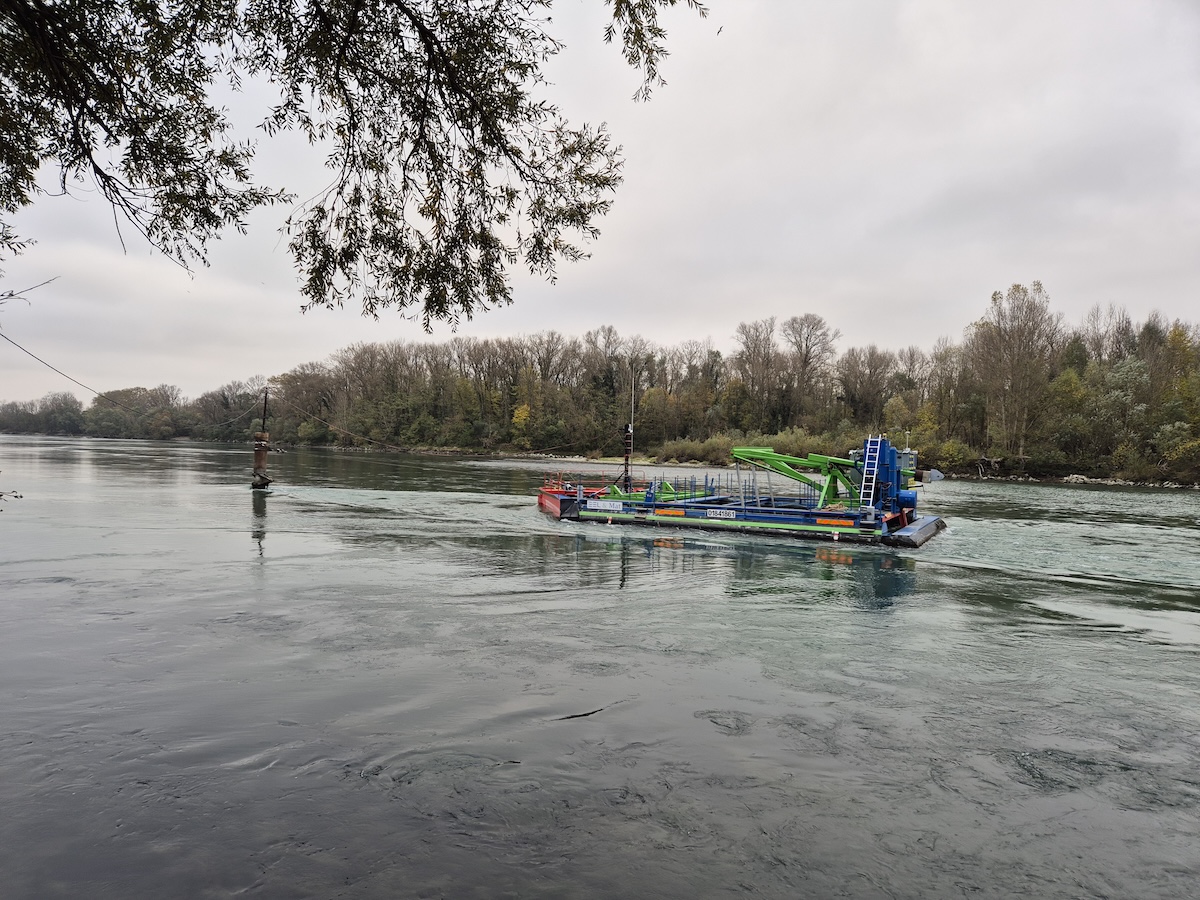
Specialising in hydrokinetic machines, EEL Energy’s patented undulating membrane draws inspiration from the movements of fish tails. This biomimetic design captures kinetic energy from water currents, providing a sustainable method for generating electricity that is efficient and non-disruptive to aquatic ecosystems.
The undulating membrane traces its origins to research in the medical field by Jean-Baptiste Drevet in 1996. He leveraged a polymer membrane that mimicked the undulating movement of marine animals to propel fluids, functioning as a pump that creates flow similar to the human heart. This technology has proven effective in medical devices and is adaptable for use in renewable energy generation. The vortices created by turbulent flow in water can be captured by a flexible membrane and the undulating motion used to drive an electrical generator.
“Our membrane used to be made up of a semi-rigid structure covered in a rubber layer,” explained Xavier Peroutka, CEO at EEL. “The rubber acted as a sail, capturing the pressure from the water’s current and transmitting it to the membrane’s skeleton. As the membrane deformed, strain energy was generated and transformed into electricity through electromagnetic converters positioned on the membrane.
“Coils of wire placed within the structure moved relative to magnets embedded in the system during deformation. This movement induces an electrical current through electromagnetic induction, converting the membrane’s mechanical energy into electrical energy.”
However, as EEL embarked on bringing hydrokinetic energy production to market, it faced significant challenges. The underwater environment is particularly demanding, necessitating materials that can withstand extreme stress and pressure.
“Hydrokinetic generation exerts up to 30 times more mechanical stress on equipment than wind energy production,” explained Peroutka. “Despite the challenges, it’s worth persevering. While a wave power generator relies on intermittent wave action and solar and wind depend on favorable weather conditions Hydrokinetic generators can produce energy constantly throughout their life by leveraging the water currents in rivers or tidal flow. The predictability of hydrokinetic energy generation is needed by communities across the globe in a green revolution that threatens to leave the neediest behind.”
Seeking material expertise
To address the challenge, EEL sought out Exel Composites, a leader in advanced pultruded and pull-wound composite materials. The collaboration aimed to enhance the resilience of EEL’s membrane and refine its performance for harsh underwater conditions.
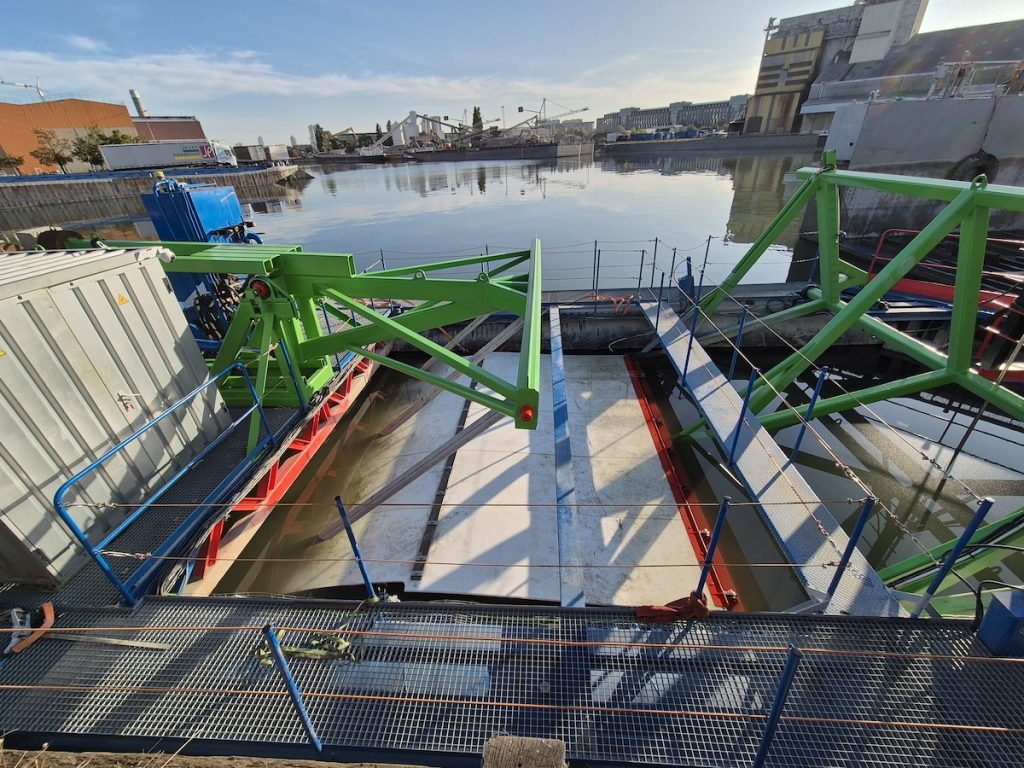
EEL and Exel Composites initially crossed paths at the JEC exhibition in 2021. For EEL, this was more than just an opportunity to display its hydrokinetic technology; it was a critical step in overcoming its greatest challenge. The underwater environment places significant demands on the membrane system, and EEL was eager to find robust materials that could withstand these extreme conditions.
Initially, EEL reinforced its membrane with fiberglass, but this original design revealed a critical flaw: delamination. Under the harsh cyclic loading of the underwater conditions, the membrane underwent large deformations, inducing high strains in the structure. The strain caused the layers of the membrane to separate, allowing water to infiltrate and compromise its functionality.
Recognising the serious implications of this issue — where a failure of the membrane during operation could jeopardize the entire hydrokinetic system — EEL sought the expertise of a materials specialist to develop a solution capable of withstanding the continuous mechanical stress required for effective operation.
For Exel, this challenge illustrated the complexity of creating a solution that was both durable, while balancing flexibility and resilience. The quest for a material that could endure the rigors of underwater energy generation became the focal point of their collaboration.
Interestingly, the solution didn’t require inventing something new. Rather, it resided in a proven material already designed to withstand the rigors of renewable energy production. One that can resist bending without breaking under the demands of the environment.
From the sky to the sea: wind blades in action
“The key to our successful collaboration was recognising that our carbon fiber flats, originally designed for wind turbine blades, could be repurposed for EEL’s hydrokinetic membranes,” explained Neil Dykes, research and development manager at Exel Composites. “These flats provide the stiffness and strength required to withstand harsh wind conditions, making them ideal for this application.”
Exel used multiple layers of discrete carbon flat profiles – the same as those developed for wind turbine applications. These carbon fiber flats are stacked to create beams which were strategically integrated into the membrane. Three bars were placed across it at 50, 80, and 100% of its length. This arrangement prevents bulging and limits overall deformation, ensuring the membrane maintains structural integrity and operates optimally.
Excessive deformation, particularly uneven bulging outside the intended undulatory motion, can significantly reduce energy capture efficiency. When the membrane deforms, it disrupts the smooth oscillating flow of water over its surface, diminishing the area available for energy conversion and leading to suboptimal mechanical energy transfer to the electromagnetic converters.
How did carbon flats improve the design?
The integration of these carbon fibre flats was crucial for enhancing the membrane’s mechanical performance. By increasing stiffness and resistance to deformation, these flats help preserve the membrane’s shape during operation, ensuring effective energy capture while adhering to biomimetic design principles.
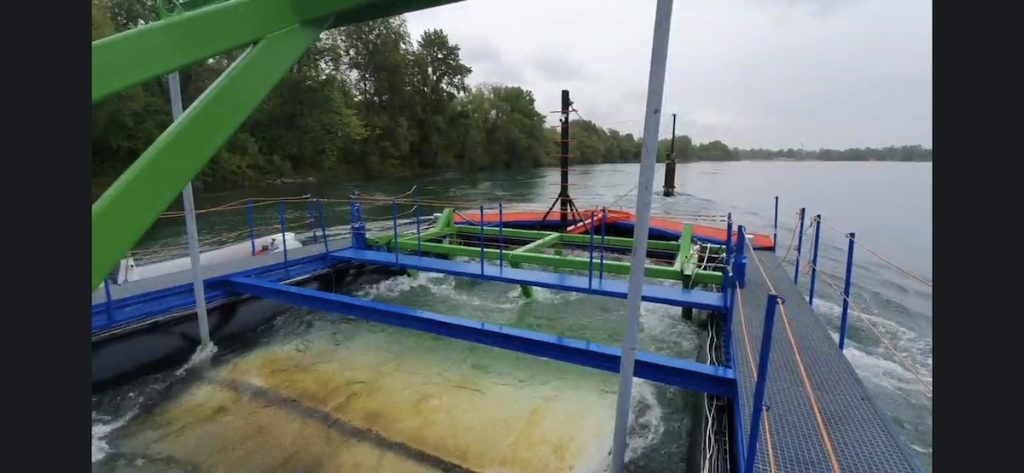
The high strength and stiffness provided by the carbon fiber flats supplied by Exel Composites resolved the delamination issues previously encountered with glass fiber composites (GFRP), which compromised the membrane’s effectiveness.
The mechanical properties of Exel’s carbon fiber composites (CFRP) were essential to the membrane’s success. With an E-modulus of approximately 120 GPa, CFRP exhibits higher stiffness than traditional glass fiber composites (GFRP), which is only a third of CFRP’s stiffness. This high stiffness ensures the membrane retains its shape under operational stress, preventing excessive deformation and energy loss.
CFRP’s tensile strength of 2500MPa, compared to GFRP’s 1000MPa, enables it to withstand greater forces without failure. Additionally, CFRP’s compressive strength, at 1500MPa, is much greater than the 600 MPa typical of GFRP. This increased strength, combined with CFRP’s excellent fatigue resistance, ensures the membrane can handle the cyclic loading conditions experienced during operation, supporting up to 6000 full reversal cycles per day. This durability is key for maintaining high efficiency in energy capture over the long term.
Biomimicry in action: the future of renewable energy
Biomimicry can unlock innovative solutions by mimicking nature’s designs, a principle at the heart of EEL’s hydrokinetic generators. In collaboration with Exel Composites, the company has created a system that promises sustainable, reliable power for remote communities and large-scale energy farms.
As EEL advances towards commercialising its technology, powered by Exel’s cutting-edge carbon composites, the potential for revolutionising renewable energy is within reach.