A new partnership has been announced that will see Gridserve’s growing Electric Freightway added to Voltloader’s existing national network of depot-based eHGV chargers.
This agreement marks the next step in the development of Electric Freightway, moving from demonstrating the viability of electric freight and dedicated charging infrastructure towards supporting real-world commercial operations at scale.
The Electric Freightway originally formed part of the Zero Emission HGV and Infrastructure Demonstrator (ZEHID) programme, funded by the Department for Transport and delivered in partnership with Innovate UK.
Led by Gridserve, the programme has brought together more than 30 industry partners, including Voltloader, to accelerate the adoption of electric HGVs and the development of the charging infrastructure required to support them.
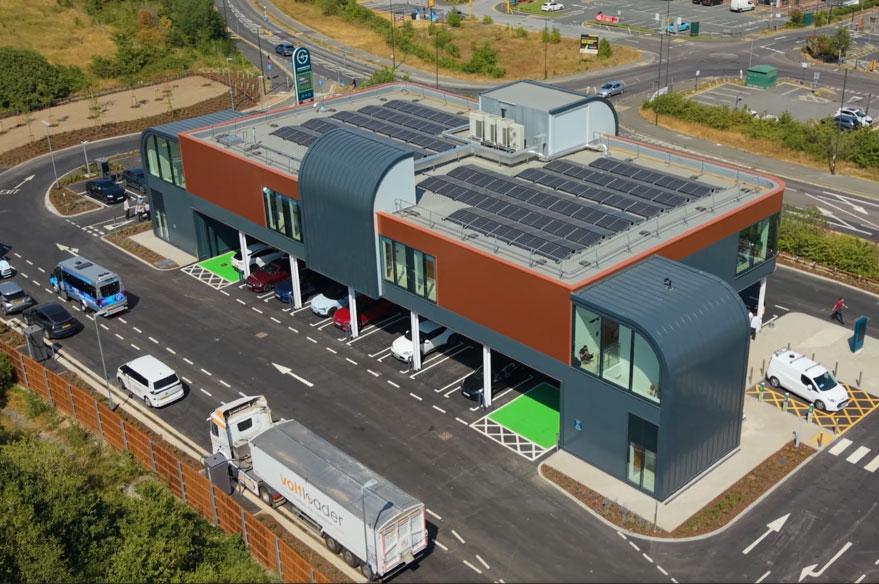
As part of the new agreement, Voltloader will expand its charging network with Gridserve’s custom-designed, ultra-rapid eHGV charging infrastructure.
Positioned at strategically located sites, Gridserve’s’ hubs will provide more diverse charging options for Voltloader’s nationwide customer base, allowing businesses to send freight further and more frequently with zero emissions.
Rebecca Trebble, Chief Customer Officer at Gridserve, said, “Voltloader is a true pioneer of electric freight and continues to demonstrate what is possible through meaningful, real-world deployment.
“We’re proud to support its ambition with ultra-reliable, strategically located charging infrastructure, while gaining valuable insight into how public eHGV charging can support commercial freight operations.”
Dave Rose, Founder and CEO of Voltloader, said, “For the transition to electrification to truly succeed, industries require access to dependable, strategically located charging infrastructure.
“The Gridserve Electric Freightway will support a broader range of our operations across the food and agriculture supply chain, helping us reduce charging downtime and increase operational efficiency for our national customer base while reducing emissions from the freight sector.”