
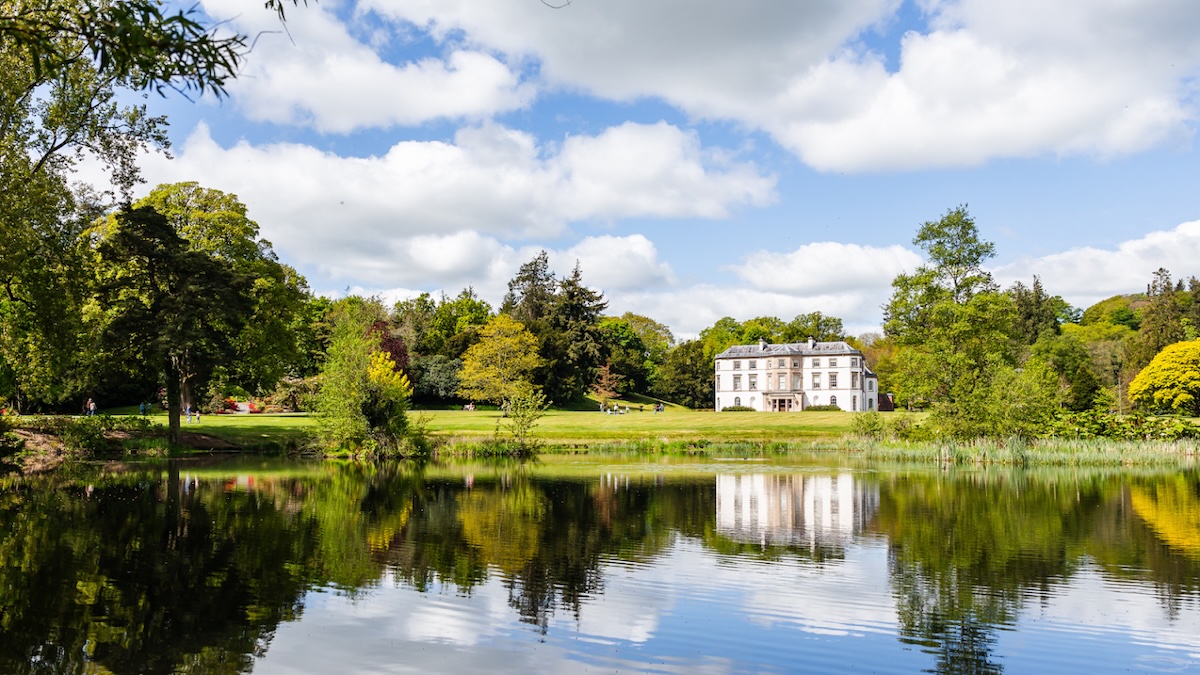
A 400-acre historic estate in County Down, Northern Ireland, is proving that heat pumps are not the only answer to low-carbon heating, after switching from oil to a renewable liquid gas blend.
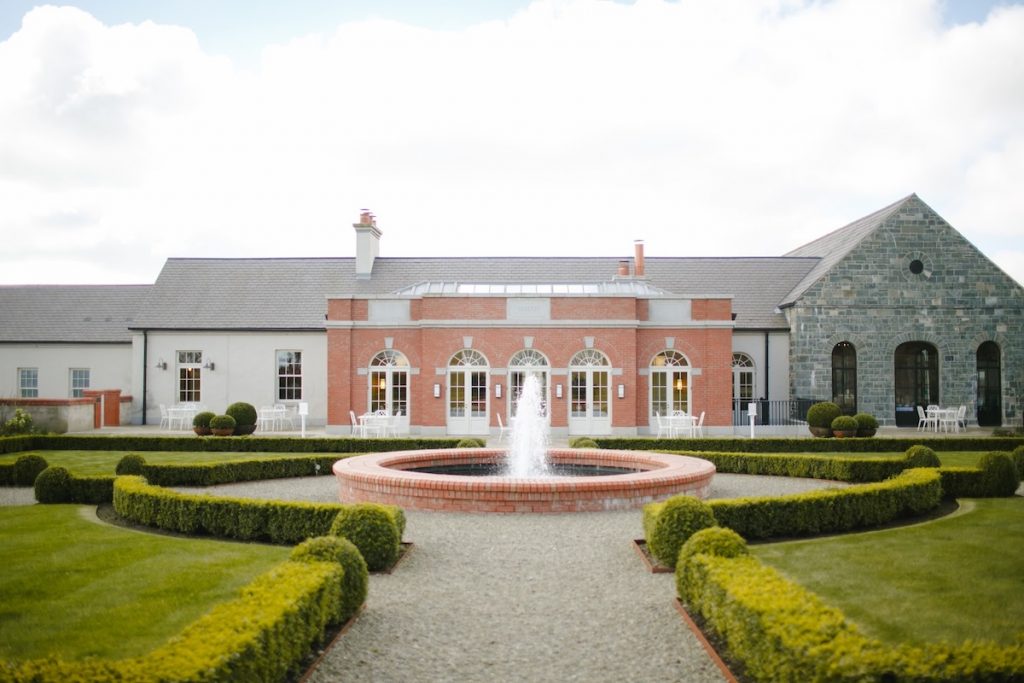
Montalto Estate, a 17th-century property including a grand house, wedding venue, café, retail spaces and offices, now operates on a 10% blend of bioLPG – a renewable liquid gas made from sustainable feedstocks.
The change from oil to smaller and more efficient LPG tanks and boilers has cut carbon emissions by up to 90%[1].
David Wilson, owner and estate manager at Montalto, says: “Switching to LPG and bioLPG was really straight forward and we noticed an improvement in heating efficiency straightaway.”
As an off-grid, Grade II listed estate, Montalto faces planning restrictions, limited electricity grid capacity and the risk of damaging historic fabric – all major barriers to alternative off-grid heat sources, such as heat pumps, solar or wind turbines.
“We didn’t have to change the infrastructure in any way for LPG and bioLPG as it’s a drop-in fuel,” he says.
Eight bulk tanks now supply a bioLPG blend across the whole of the Montalto estate for all heating, hot water and catering needs, and David explains that deliveries are managed by telemetry with the flexibility to adjust the renewable percentage when the estate is ready to.
He adds: “Nobody talks about renewable liquid gases, but to me it’s an easy renewable energy swap.
“With no physical change to the end user, except for an improvement in efficiency, it’s the easiest and most sensible option for us and has enabled us to maintain and communicate a strong sustainability message.
“This place is going to be here much longer than we will – I’m just a custodian and it’s my priority to maintain this property and ensure its left in a better position than when we took it on.”
The estate’s approach reflects a wider challenge across off-grid and heritage buildings.
Research by Liquid Gas UK, the trade association for LPG and renewable liquid gases, shows that fitting an air-source heat pump in a heritage hotel can cost up to £77,000 whilst a renewable liquid gas boiler costs around £6,700[2].
For heritage hotels choosing renewable liquid there is the potential to save more than £8,000 per year[3] in comparison to an air-source heat pump.
George Webb, CEO of Liquid Gas UK, says, “Many homes and businesses currently lack practical alternatives to heat pumps to lower the emissions from heating, particularly off-grid or listed buildings.
“Where retrofits of electric equipment aren’t feasible, renewable liquid gases can offer a huge carbon saving and are cost effective to install.
“Montalto shows us that electrification alone isn’t the answer – it’s a great example of how real, practical changes can work.”
[2] For an illustrative case study based on a pre-1918 detached house as a proxy for a heritage hotel, the upfront cost of an Air Source Heat Pump (ASHP) is £77,455, compared to £6,794 for an RLG boiler. Full details and annualised costs are on pp. 67-68 of the Liquid Gas UK Journey to 2050 report. Online, available at: https://www.liquidgasuk.org/uploads/DOC6731E0CED6BBA.pdf#page37
[3] Liquid Gas UK: The Industry’s Journey to 2050 pp.7-8, available at https://www.liquidgasuk.org/uploads/DOC6731E0CED6BBA.pdf#page8