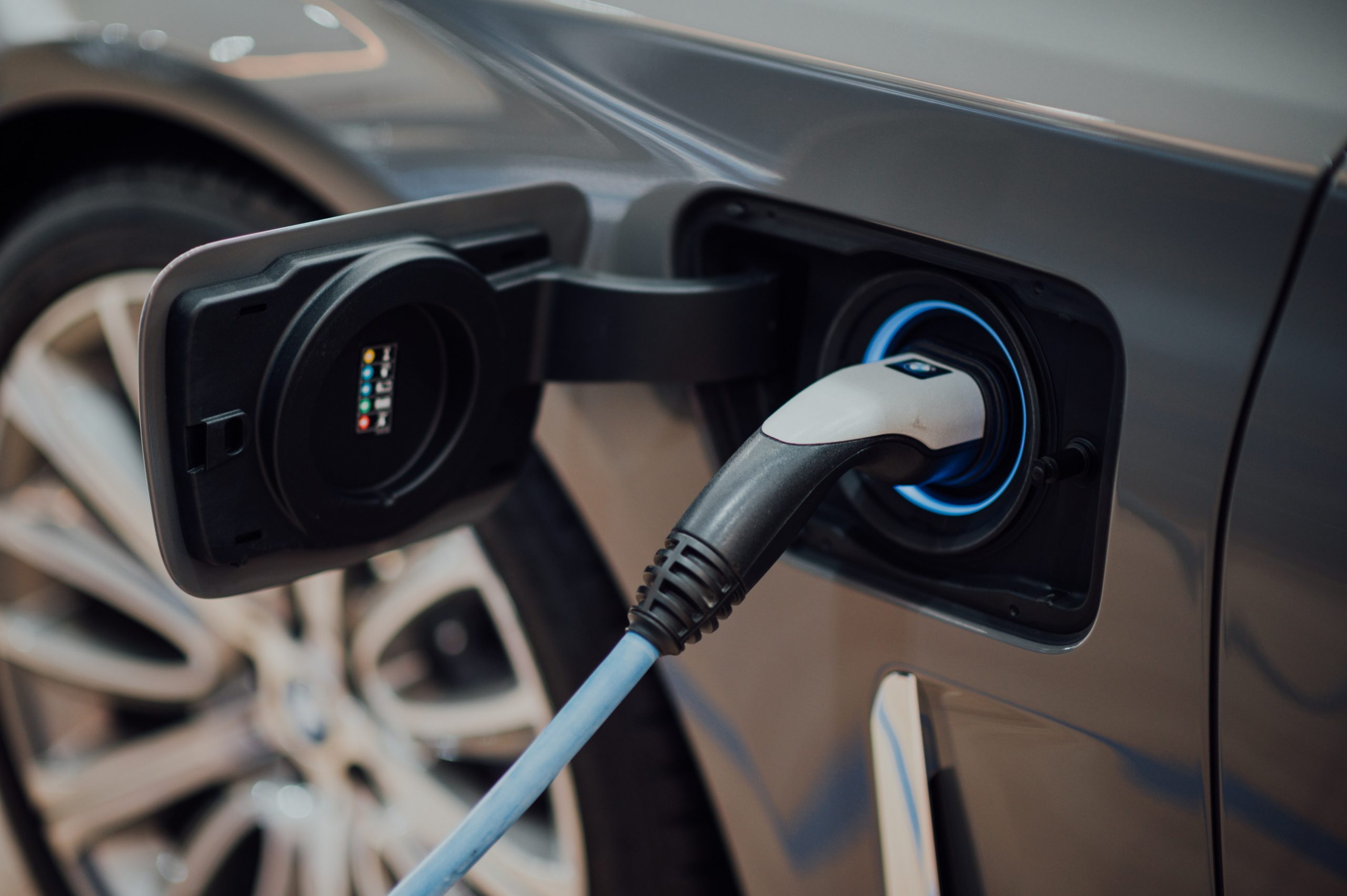
March saw a record-breaking month for the UK EV market, with more BEVs (battery electric vehicles) registered than in any previous month. BEVs accounted for 22.7% of new car registrations, with over a third of the market having a plug when PHEVs (Plug-in Hybrid Electric Vehicle) are included. BEV registrations rose 22.6% compared to March 2025, helping drive overall market growth of 4.9% and marking the strongest March on record for EV uptake.
PHEVs also recorded strong growth, with registrations up 34.5% year-on-year. This surge is likely being driven by ZEV Mandate flexibilities, as manufacturers lean on PHEVs for compliance. However, their growing role risks overstating emissions reductions, given the gap between official and real-world performance.
This surge in EV registrations comes against a backdrop of rising petrol and diesel prices and heightened geopolitical instability. While the full impact of recent fuel price spikes is unlikely to be reflected in registration data yet due to ordering lead times, consumer behaviour is already shifting.
Petrol and diesel vehicles continued to decline despite overall market growth. Compared to March last year, petrol registrations fell by 12.2% and diesel by 11.1%, with similar declines seen on a year-to-date basis. This ongoing contraction reflects both structural changes in the market and weakening consumer confidence in fossil fuel vehicles, particularly as price volatility becomes more pronounced.
Ben Nelmes, CEO at New AutoMotive, said, “Over eighty thousand motorists successfully avoided the energy price shock in March when they got the keys to their new electric car.
“Ministers should focus on protecting as many households as possible from the crisis in global fossil fuel markets. Recommitting to the UK’s EV targets would be a good first step.”
Tanya Sinclair, CEO, Electric Vehicles UK, “Growth at this scale was the ambition for over a decade. It is arriving now. The response from parts of the industry has been to keep airing concerns.
“That is a choice and it has consequences. Drivers considering an electric vehicle do not need to hear that the sector is uncertain about its own future. Every public hesitation is a reason handed to someone to wait.
“The focus belongs on the people making the switch. Making it easier, making it reliable, making it worth it. That is how confidence is built. Not in boardrooms, but in the experience of drivers who chose electric and found it worked exactly as promised.”