
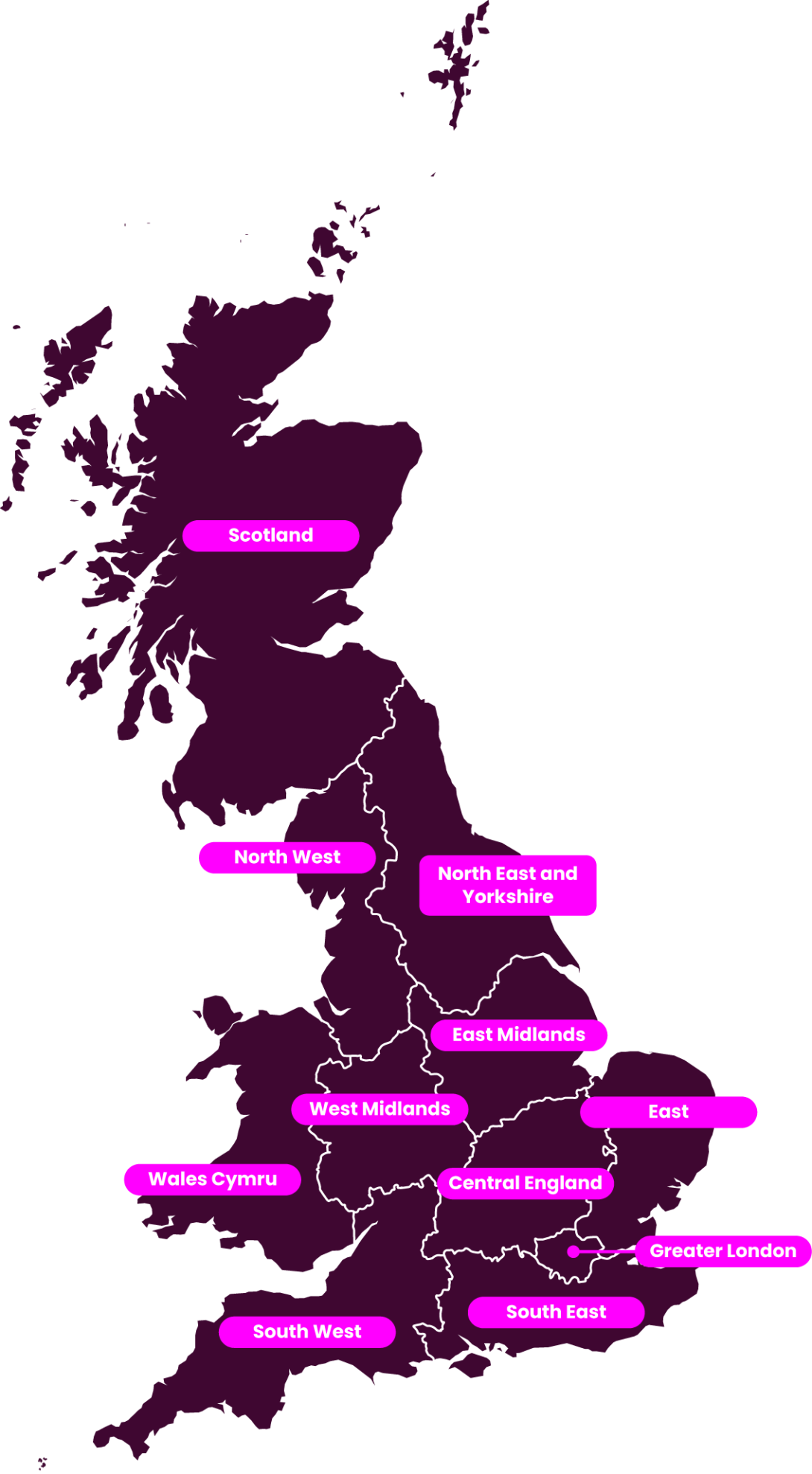
Today, ADE: Demand has highlighted that Britain’s new Regional Energy Strategic Plans (RESPs) risk becoming disconnected from wider reforms, after reviewing the official blueprint for their creation and submitting its response. NESO has been tasked with delivering RESPs across England, Scotland and Wales, with 11 regional plans due to be implemented across Great Britain.
RESPs offer a major opportunity to put whole-systems planning at the heart of Great Britain’s energy transition. If implemented correctly, they can shape future energy systems, accelerate decarbonisation and help avoid up to £8bn in rising network constraint costs by 2030. RESPs will play a decisive role in determining whether the transition is delivered successfully – or at an unnecessary cost to consumers and industry alike.
However, ADE: Demand notes that the consultation proposals risk weakening this opportunity. The proposed RESP development process and governance do not yet give sufficient emphasis to how RESPs must connect with wider energy policy, including flexibility markets and broader market reform. Stronger integration is essential or there is a real risk that RESPs fall short of their potential and the benefits to consumers and the system are reduced. Despite being responsible for whole-systems thinking – across electricity, gas, and heat – the heat networks sector is not properly represented in the methodology.
Sarah Honan, Head of ADE: Demand said, “RESPs are a critical opportunity to deliver whole-systems planning for Great Britain’s energy system. Get them right and the benefits will be transformative. Yet RESPs cannot be an island. They can be a spider web that link every strand of energy policy – they must be at the heart of reformed national pricing and building a bottom-up energy system powered by demand-side participation. If we treat them in isolation to wider energy policy, then they will never achieve their objectives.
“We’re urging a rethink – weave the web properly, or watch the plan unravel.”