
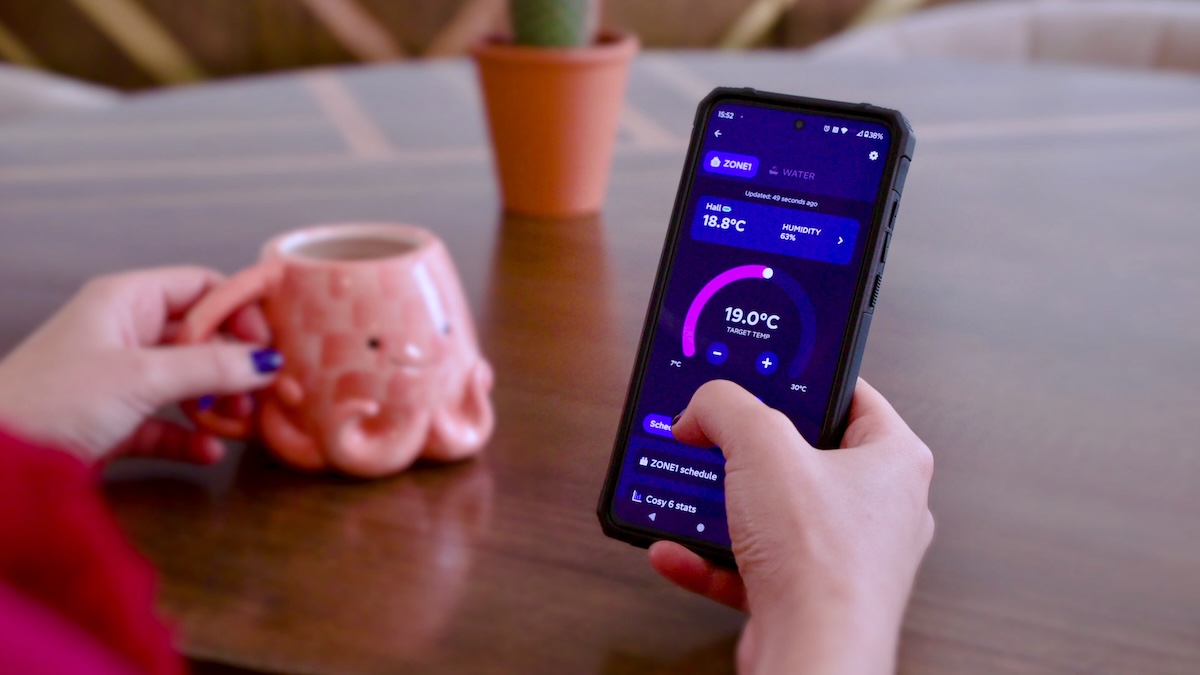
 The future energy system will increasingly take decisions away from consumers, automatically coordinating EVs, heat pumps, batteries and solar to reduce costs and support the grid, according to Octopus Energy’s Derya Robinson.
Speaking to The Energyst, Robinson said the transition towards a smarter and more flexible energy system requires hardware to become connected, allowing devices to communicate with cloud platforms and provide both remote control and real-time telemetry.
“Smart means they’re connected to a platform, a cloud, so you can run an app on it, and we can have remote controls and remote telemetry,” she explained.
But the value of connectivity does not necessarily have to come from sophisticated automation.
Robinson pointed to Octopus Home Mini, which provides real-time smart meter consumption data, as an example of how relatively simple information can change behaviour. Friends using the device had told her they had reduced bills simply by identifying equipment that was consuming electricity unnecessarily.
She discovered the same thing in her own home when Home Mini highlighted the consumption of a coffee machine that was being left on for hours despite only being needed for a short period each morning.
However, Robinson believes automation will become increasingly important as homes add more energy assets.
Octopus is already bringing together EV charging, heat pumps, solar and energy monitoring, while its forthcoming battery technology will add another component to the connected home.
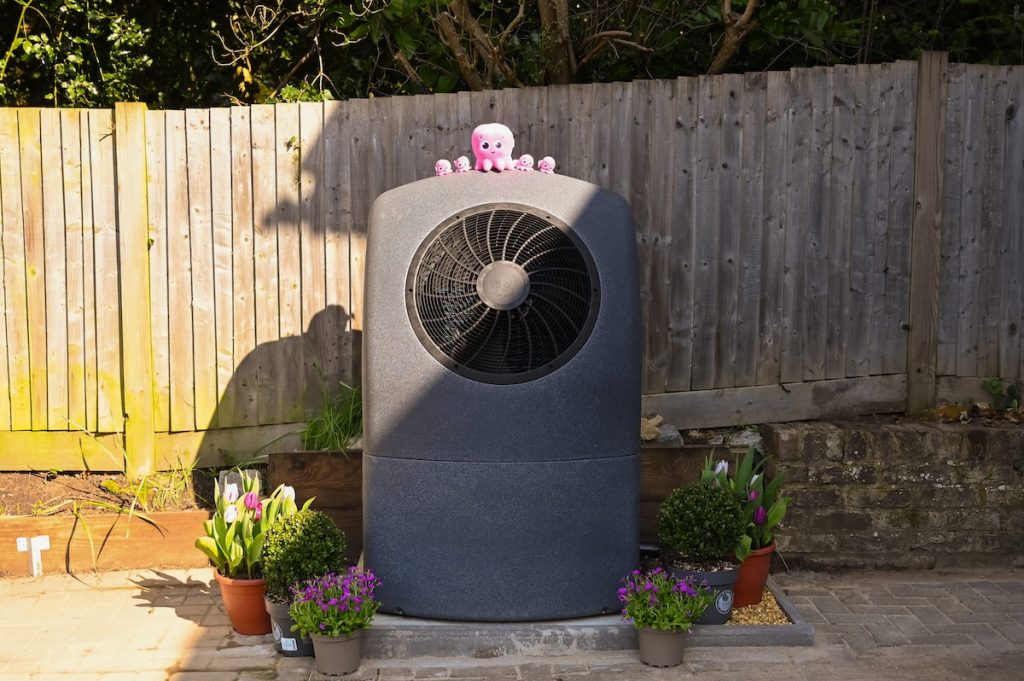
Once these technologies are integrated, Robinson said it becomes possible to optimise solar generation, battery charging and discharging, household consumption, heat pumps and EV charging against each other.
Octopus’s hardware can also provide the telemetry required for wider grid flexibility, identifying when vehicles are charging and when heat pumps and other devices need to operate.
From smart tariffs to automatic optimisation
For Robinson, the ultimate objective is to make that complexity largely invisible to consumers.
She pointed to smart EV charging as an indication of how this model is already developing. A driver can plug in their vehicle, specify the charge they require and when they need the car, leaving the system to determine when charging should take place.
The next stage could take this considerably further.
“Come home, plug the car in, tell [it] when you want the car back, and in the meantime it will optimise based on the grid, based on the time of use,” Robinson said.
That could eventually include using energy stored in the vehicle within the home or exporting it to the grid when prices are high, before recharging when electricity is cheaper.
“It will all be automated and seamless to users,” she added.
Making that technology genuinely simple will be critical. Robinson’s previous experience at Hive showed that even products engineers regard as straightforward can confuse consumers.
The aim is not to require households to become energy experts, but to allow the technology to manage complexity on their behalf.
EVs become energy assets
 One remaining challenge is interoperability. Robinson compared the development of vehicle-to-grid (V2G) technology with her earlier work at Nokia, when manufacturers had to undertake extensive integration work before Bluetooth became the seamless technology consumers now take for granted.
EVs, chargers and their respective inverters will similarly need to communicate reliably before V2G can become invisible to users.
It is also the technology Robinson is most excited about over the next five years.
With millions of EVs potentially acting as mobile batteries, households may eventually have less need for dedicated stationary storage. Vehicles could charge when electricity is cheap, power homes or export electricity during periods of higher demand, and then recharge in time for the driver’s next journey.
Combined with solar, smart tariffs and automated controls, that changes the consumer’s relationship with the energy system.
Rather than simply buying electricity from the grid, households increasingly become active participants – consuming, generating, storing and potentially selling energy.
Robinson believes that direction of travel ultimately points towards a much simpler proposition for consumers: technology quietly optimising energy in the background while pushing households increasingly towards “zero bills”.