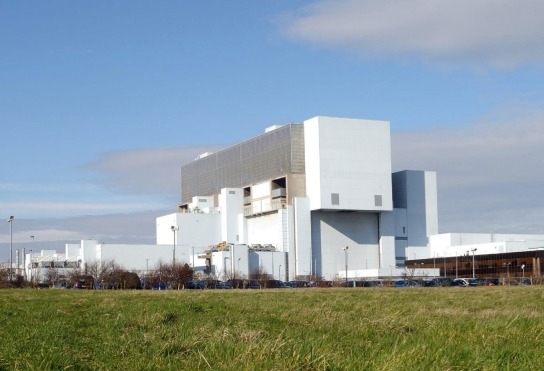
Scotland’s Torness nuclear power station has delivered more than £2 billion in cost savings to Britain’s electricity system since the onset of the energy crisis in late 2021, according to analysis by the Nuclear Industry Association (NIA) – equivalent to around £170 million for Scotland, or roughly £27 per customer.
The analysis compares Torness’ electricity output from Winter 2021 onwards with the cost of generating the same volume of electricity based on the Baseload Market Reference Price (BMRP), which is set principally by the price of imported gas. The study finds that nuclear generation at Torness has been more than £2 billion cheaper than the market baseload price over this period. For Hunterston B, which came offline in January 2022, the figure is £114 million.
Nuclear power in Scotland delivers electricity that is cleaner and more reliable than any other source. In contrast, the sharp rise in gas prices following the energy crisis drove wholesale electricity prices to unprecedented levels, with gas-fired generation continuing to set the price of power in Britain.
Tom Greatrex, Chief Executive, Nuclear Industry Association, said, “The latest gas shock is a reminder that we need more cheap, reliable, sovereign power that nuclear delivers. The Scottish Government should take this opportunity for a pragmatic reset of energy policy, following the example of countries all over northern Europe. Without nuclear, we remain exposed to gas imports, and that is in nobody’s interest.”
Elisabeth Roden, Policy Analyst, Nuclear Industry Association, said, “This analysis highlights the real, measurable value nuclear power brings to Scotland. During a period of extreme gas price volatility, Torness has provided consistent, low-cost electricity, avoiding billions in additional system costs.
“With ongoing instability in the Middle East continuing to drive volatility in global gas markets, households and businesses remain exposed to price shocks. Nuclear is a vital hedge against fossil fuel price volatility, delivering stability when it’s needed most.”