Rising energy costs and increasing sustainability targets are forcing manufacturers to rethink their energy strategies. Yet compressed air, one of the largest energy consumers in industrial production, often remains overlooked.
With energy accounting for up to 80% of a compressed air system’s lifecycle costs, operators are recognising that efficiency is no longer just about the compressor itself, but about the performance of the entire system.
To help companies identify opportunities for energy savings, compressor manufacturer, CompAir, part of Ingersoll Rand has launched its Energy Check.
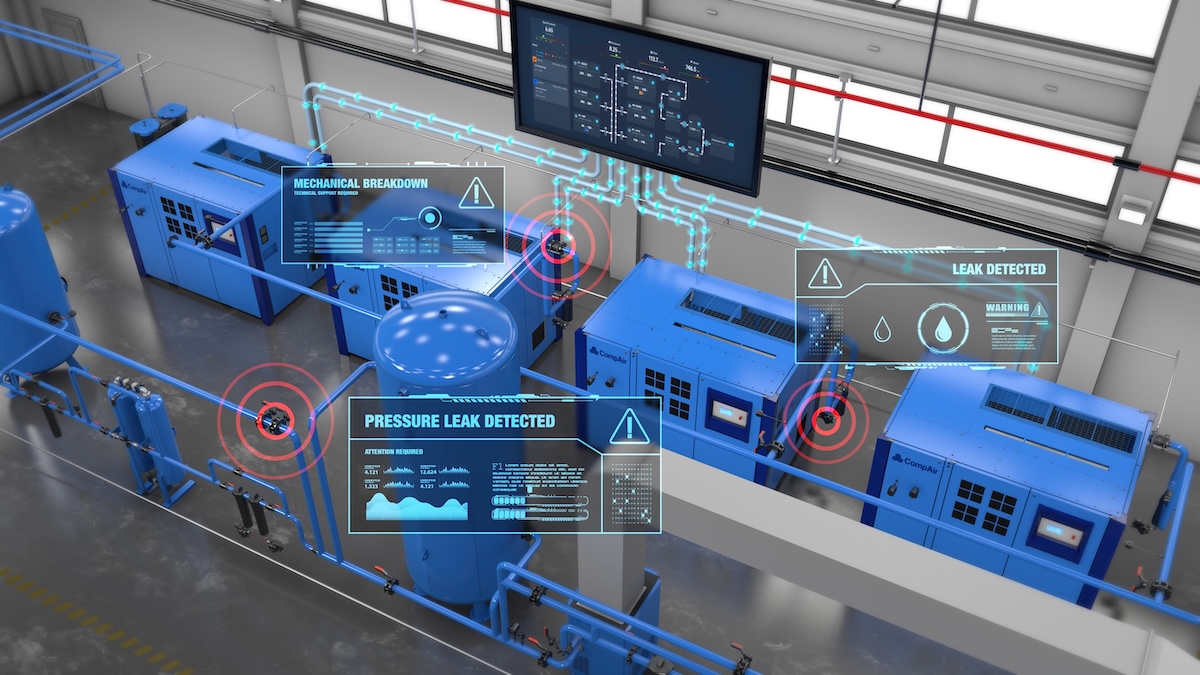
Designed for all compressor technologies and brands, the Energy Check provides a data-driven analysis of the complete compressed air network, from generation and air treatment to distribution and consumption.
The goal is simple. To deliver more compressed air with less energy.
Typical Energy Checks can highlight energy savings potential of 20 to 30% or higher, by identifying issues such as:
- Excess pressure
- Air leaks
- Pressure drops
- Inefficient controls
- Oversized air treatment
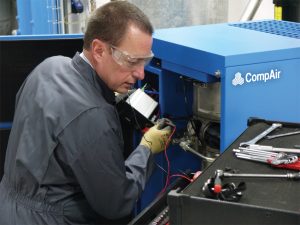
- Poor maintenance strategies
Even small optimisation measures can generate significant results. For example, reducing system pressure by just 1 bar can lower energy consumption by more than 10%. Likewise, recovering waste heat from compressor systems can reduce heating costs and CO₂ emissions significantly.
Beyond identifying inefficiencies, the CompAir Energy Check delivers a clear action plan with practical recommendations to improve reliability, lower operational costs, and support sustainability goals.
“Compressed air should no longer be viewed as just a utility, it is a strategic energy system that can be measured, optimised, and actively managed,” suggests CompAir.