Pressure to hit Net Zero targets has long shifted from long-term ambition to day-to-day reality for utility procurement teams. Infrastructure decisions carry real weight in carbon reduction pathways, especially across power generation and critical sites where margins for inefficiency are slim. Yet one area keeps slipping under the radar: Ventilation tends to sit in the background, despite its direct impact on energy profiles and operational resilience.
The impact of ventilation on energy efficiency
Airflow rarely gets the same attention as generation assets or building controls, yet it does shape how much energy a site consumes every hour. Poorly designed ventilation systems drag performance down by forcing heating and cooling systems to work harder than needed, while well-calibrated airflow keeps temperature and pressure in balance with minimal input. In power generation settings, even small inefficiencies scale quickly across turbines and enclosed plant areas where thermal stability matters.
The link to operational cost is equally direct. Excess airflow wastes energy; insufficient ventilation risks overheating and shutdowns. Both scenarios push costs up. Fine-tuned systems, backed by real-time monitoring, allow teams to match airflow precisely to demand. That level of control cuts unnecessary consumption without compromising safety. For procurement professionals, it reframes ventilation from a background expense into a lever for measurable savings. It also strengthens compliance with evolving Net Zero reporting frameworks, where energy transparency is becoming non-negotiable across regulated sectors.
Water efficiency and equipment longevity
Humidity control sits at the crossroads of water use, system health, and long-term asset value. Too much moisture in the air accelerates corrosion, damages sensitive electrical components, and forces cooling systems to compensate by consuming more water and energy. Too little, and static build-up or material degradation starts to creep in. Balanced ventilation stabilises these conditions.
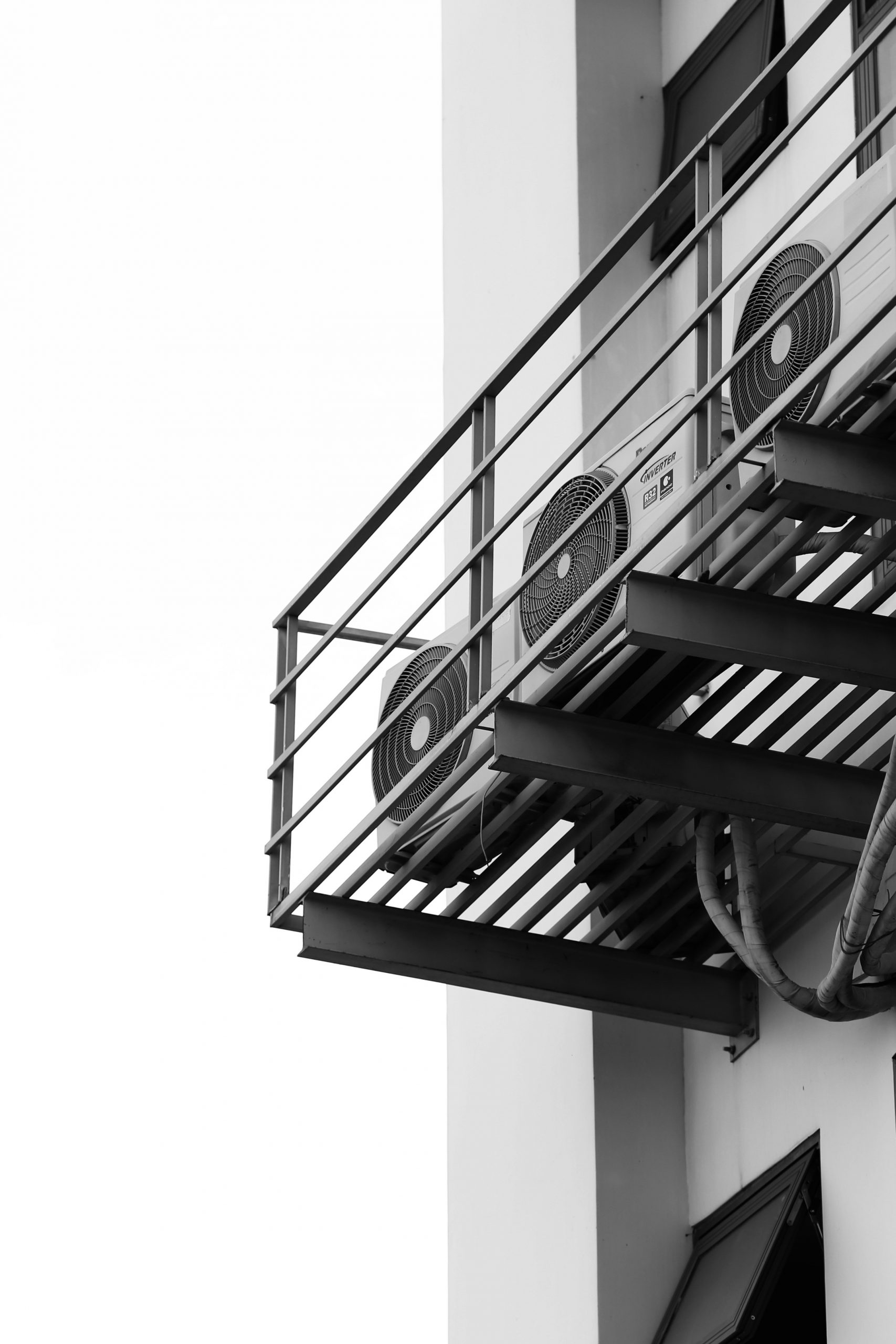
This is where integrated procurement thinking starts to pay off. Rather than treating ventilation as separate from water and energy systems, assess them as a connected ecosystem. Decisions about airflow directly influence how often cooling towers cycle, how condensate is managed, and how frequently maintenance teams need to intervene. Even relatively simple upgrades, such as switching to higher-efficiency ventilation units and extractor fans, can make a noticeable difference; particularly to support humidity control in enclosed plant areas.
Supporting electric mobility and flexible infrastructure
Electric mobility is pushing sites to rethink how space and power work together. Considering charging hubs, battery storage areas, and hybrid energy setups that bring higher thermal loads and stricter environmental requirements, airflow becomes a frontline concern here. Without it, heat and contaminants linger and performance dips. With it, systems run cooler and with far greater predictability under peak demand.
Sites also aren’t static anymore, and ventilation needs to move with that change. Modular systems and zoned airflow design let teams adapt quickly without tearing through existing setups. For facility managers, that translates into fewer disruptions and faster upgrades, especially when new charging points or storage units come online. It also supports compliance in areas where regulations around EV infrastructure are tightening in real time.
Well-maintained airflow reduces the strain on other systems that might otherwise compensate for poor environmental control. Less overheating means fewer emergency interventions. Less build-up of fumes or particulates means safer working conditions. It’s a solid example of how a supporting system, when treated seriously, ends up protecting the whole operation.
Practical steps to enhance ventilation
Getting ventilation right starts with knowing what you’ve already got. Pair your detailed audits with sensor data, and inefficiencies surface quickly.
Swapping out ageing components for high-efficiency units delivers early gains without major disruption. From there, adding intelligent controls allows airflow to respond dynamically. It’s a shift from static infrastructure to adaptive performance. Procurement teams can anchor these decisions in recognised frameworks such as CIBSE guidance or UK Net Zero benchmarks. When it comes to suppliers, look for partners who can demonstrate lifecycle performance, not just upfront efficiency ratings.
Ventilation rarely steals the spotlight, yet it underpins the systems that do. Treat it as strategic, and it starts to open doors. Ignore it, and inefficiencies settle in where they’re hardest to spot.