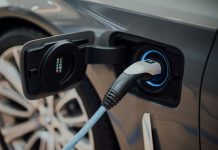

Windbreaks and soggy chips are familiar parts of a British campervan holiday. Planning where to recharge the van is a newer consideration. As more electric vans become available, the question for anyone planning a longer trip is whether the range, charging stops and running costs work for the way they travel.
Fuel is only one part of the holiday budget, alongside food, campsite fees and campervan insurance. But switching to electric can change both what you spend on the road and how you plan your journey.
How much range do you need?
Start with the longest stretch you expect to drive between charging stops. A larger campervan can use more energy per mile than a smaller electric car, especially at motorway speeds. A full load of passengers, water and camping gear, as well as cold weather, can also reduce the distance you cover on a charge.
When comparing models, look for real-world range figures for the converted campervan where available. A range figure for the base van gives you a starting point, but the conversion and everything you carry can affect what you achieve on the road. Allow some spare range so you can reach an alternative charger if your first choice is busy or out of service.
Planning charging into a longer trip
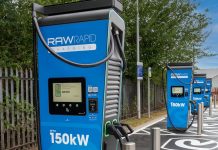
Even with rapid charging, topping up can take longer than refuelling a petrol or diesel van. On a long drive, you can make that time part of the journey by charging during a meal break. How much range you add depends on how quickly the van can accept a charge and how much power the charger can deliver.
If you’re heading somewhere rural, check the charging options for the return leg as well as the drive out. It’s also worth checking whether chargers have enough space for a larger van and whether your campsite offers dedicated EV charging. Ask the site what it allows before counting on a pitch hook-up to recharge the vehicle.
Does an electric campervan make sense for you?
Charging at home before you leave can help keep running costs down, especially if you have a cheaper overnight electricity tariff. If most of your charging happens at public rapid chargers, the savings can narrow. Comparing the tariffs you’ll actually use with the fuel cost of a similar diesel campervan will give you a better idea of what the trip will cost.
An electric campervan also produces no tailpipe emissions while driving. For longer holidays, it’s a realistic option if the van’s range fits the distances you want to cover each day and there are chargers where you’d be happy to stop. If your trips tend to involve long motorway days or several nights in places with few charging options, it’s worth mapping out a typical route before deciding.