By David Philp, Chief Value Officer at Bentley Systems
Along with cups of tea and fish and chips, it is one of Britain’s most enduring traditions – queueing.
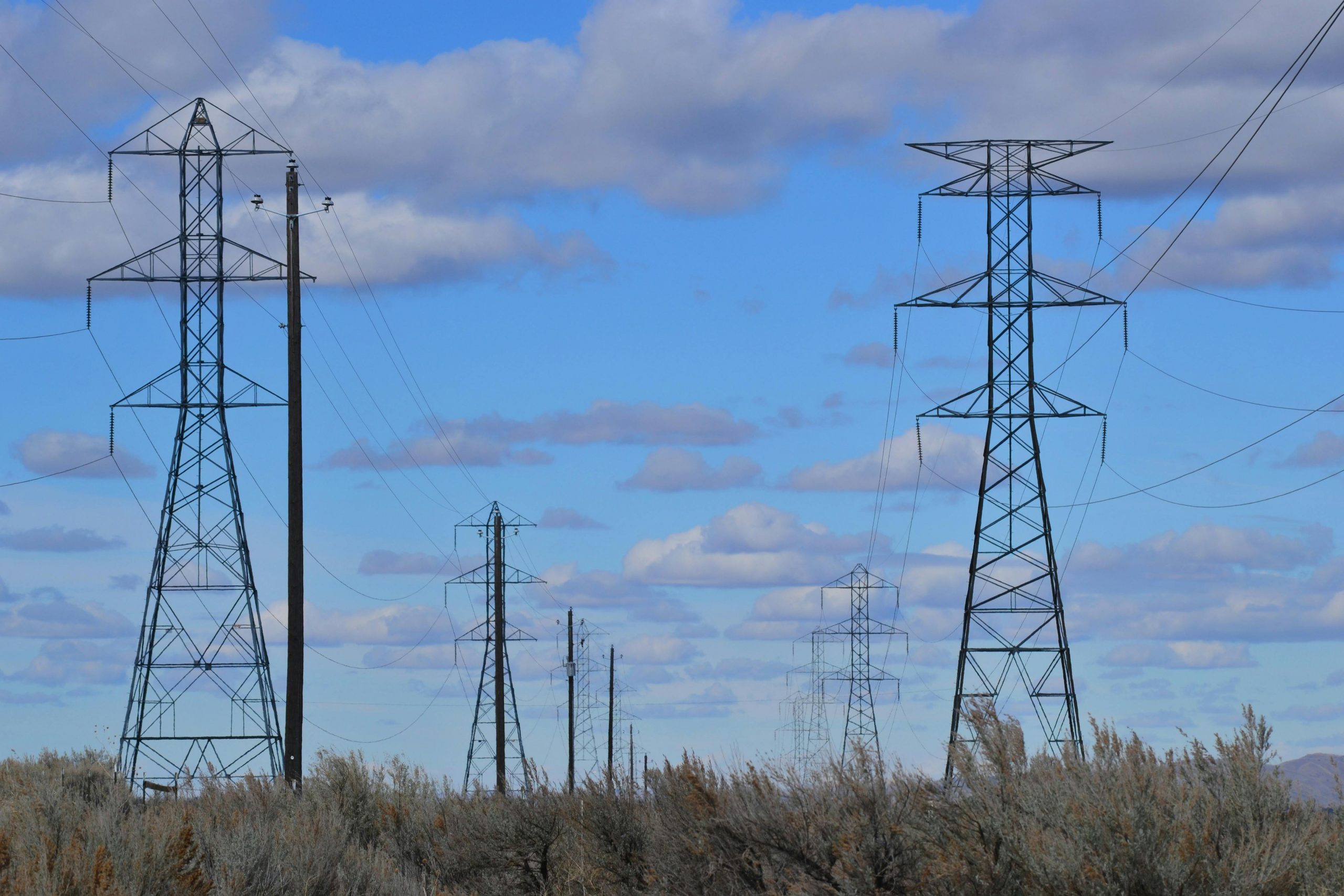
But the queue to connect new energy projects to the grid – Britain’s electricity network – is no small inconvenience. It is one of the greatest obstacles to the UK’s clean-energy transition, carrying significant economic consequences.
Data from the National Energy System Operator (NESO) shows us that, in just five years, that queue has grown tenfold, with projects in it exceeding 700GW. This surge comes as electricity demand is projected to double or more in the next decades, fuelled by power-hungry data centres and the accelerating use of AI.
Recent connection reforms aim to break the gridlock, shifting the system from a first-come, first-served model to one that prioritises ‘shovel-ready’ projects. Chris Stark, Head of Mission Control for Clean Power 2030, a UK government unit within the Department for Energy Security and Net Zero, said in response to the reforms that the change promised to “unlock the modern, clean energy system Britain needs for 2030 and beyond.”
But, even with system reform, huge challenges remain. Decades’ worth of infrastructure work must now be delivered in just a few years – and this is in an industry battling for talent and resources with experienced engineers retiring faster than the next generation can be brought up to speed.
The challenge is urgent. But it is solvable if the right tools are put in place and deployed at scale. Among the most important of these is digital twin technology and UK grid operators (the ‘grid’ is in reality a series of networks spread across the country run by multiple companies) who are not already moving in this direction, need to start now.
The problem with planning from a snapshot
Traditional grid planning relies on periodic studies built from datasets that reflect how the network looked months earlier, supplemented by engineering judgement. By design, this approach is largely backward looking and slow to reflect rapid changes in demand, generation, and connection requests.
A digital twin replaces this static snapshot with a continuously updated, systemwide model of the network, synchronised with operational and planning data and capable of simulating future states and constraints.
When a new renewable asset submits a connection application, the data needed to model its impact is already in the system.
And when an industrial site electrifies its operations and its demand profile shifts, the twin reflects that instantly.
Engineers stop working from a picture of the grid as it was and start working from the grid as it actually is.
This distinction matters most when modelling intermittency. Solar and wind output can shift dramatically in hours. EV charging loads can spike unpredictably in a way that bears no resemblance to historical demand curves.
Before a new asset connects, operators need to run hundreds of scenarios across different and variable conditions.
What happens when the wind drops during peak evening demand?
What happens when a cluster of fast chargers comes online simultaneously at a service station bordering a residential area?
Running these scenarios against a live model produces answers that operators can trust and act on.
A digital-first future depends on a digital-first workforce
This ‘digital first’ approach is also a recruitment tool. National Grid predicts the UK will need 400,000 workers by 2050 to meet its decarbonisation commitments. Today, electricity network operators employ around 26,000 people, including just 2,400 apprentices. The maths is stark.
Our ‘Gen Z’ and early career ‘digital natives’ expect to work with intelligent, data-driven tools – not spreadsheets and outdated systems. By embedding AI-assisted digital twins into their core processes, grid operators not only amplify the capabilities of their existing teams but also become magnets for the very talent they need to build the grid of the future.
Digital twins automate scenario generation, surface the variables that matter most, and flag developing problems long before they become serious. A team that previously evaluated ten planning scenarios can now evaluate a hundred.
Crucially, this is not about replacing engineering judgment but augmenting it. The “human-in-the-loop” principle remains paramount. AI can automate the generation and analysis of countless scenarios but verification and sign-off must remain with experienced engineers. Their role evolves from performing manual calculations to expertly interrogating, refining and validating the AI-driven outputs. The result is a process that is not only faster but more robust, one which upholds the highest standards of safety, reliability, and professional accountability.
The consequences of not keeping pace
For businesses, the consequences of the current gridlock are already tangible. Expansion plans freeze while waiting for connection approvals. Sustainability targets stall. Fleet electrification programmes that need depot charging infrastructure can’t move forward. As the SMMT has warned publicly, if operators have to wait years just to plug vehicles into their depots, there is no case for investment, even after fossil fuel vehicle sales end.
Engineering the future
Ultimately, digital twins allow grid operators to move from reacting to the past to proactively engineering the future. They enable teams to model dozens of scenarios, making smarter decisions on every cable laid and every substation upgraded and unlock investment with far greater confidence.
This is no longer just about shortening a queue; it’s about unlocking the investment and innovation the UK needs to meet its decarbonisation targets. For businesses waiting to connect, that future can’t come soon enough.