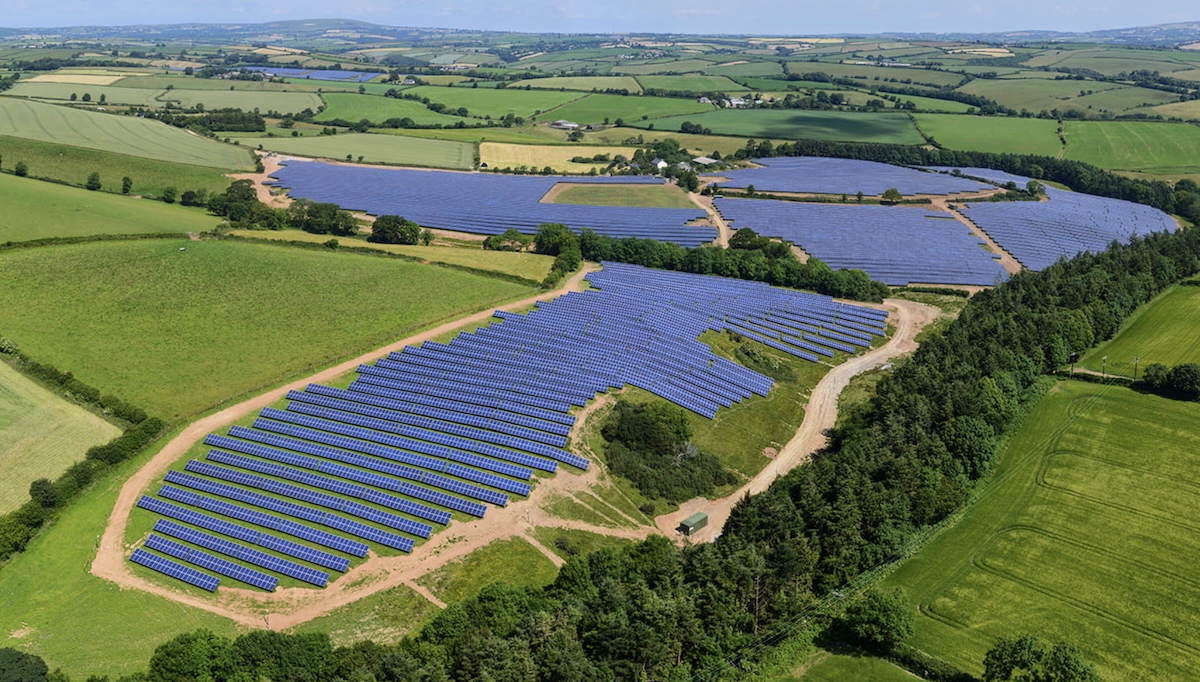
On the eve of the UK Budget, renewable energy company Elgin has today announced plans for the total investment of nearly £400 million across five UK projects with a combined capacity of 230MW.
The five projects are expected to reach final investment decision by the end of Q1 2027, including four by the end of 2026.
The projects are located in Suffolk (East of England), Buckinghamshire (South East), Leicestershire (East Midlands) and Staffordshire (West Midlands). Together, they will form part of Elgin’s growing portfolio of solar and energy storage projects.
The projects will be equivalent to around 0.5% of the solar capacity the UK Government wants to see installed by 2030, making a tangible contribution to its wider clean-power ambitions. The Government’s Clean Power Action Plan sets an ambition for between 45GW and 47GW of solar capacity by 2030.
Alongside their contribution to the UK’s energy supply, the projects are expected to support employment during construction and create longer-term opportunities in operations and maintenance. They also create opportunities for local contractors and suppliers across areas including civil engineering, electrical installation, site management and environmental services.
The announcement comes at a time when attracting private investment into energy infrastructure is central to the country’s plans for growth and greater energy security.
Investment in significant renewable energy projects is becoming increasingly important as the UK seeks to produce more of its own power and reduce its exposure to rising costs, inflation and volatile international energy markets.
Dermot Kelleher, Chief Executive of Elgin, said, “The UK remains one of Elgin’s most important markets and this investment reflects our confidence in its long-term future. These five projects represent a major commitment and will help turn the country’s renewable energy ambitions into reality.
“Ahead of the Budget, the priority for our industry is a stable operating environment that gives investors’ confidence to commit capital for the long term. Renewable energy is considerably cheaper than the alternatives and with improvements to grid access and planning processes, can be delivered more quickly – supporting economic growth, strengthening energy security and delivering more homegrown power.
“Investment on this scale will also support skilled work during construction and create longer-term opportunities in the operation and maintenance of renewable energy infrastructure.”