
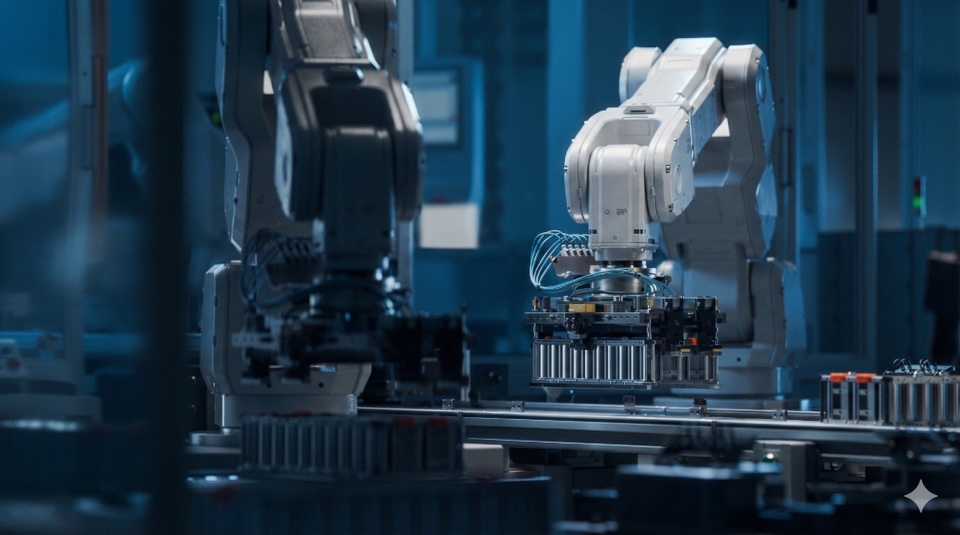
 Following the government’s announcement of a £5 billion investment into drones and autonomous systems over the next four years, Johan Andersson, chief commercial officer at UK battery cell manufacturer Volklec, explains why battery sovereignty must now sit at the heart of the UK’s autonomous defence strategy.
“The government’s £5 billion commitment to drones and autonomous systems is exactly the type of signal the UK defence industry has been waiting for – recognition that uncrewed and autonomous platforms across air, land and sea are foundational to modern defence. For UK-based manufacturers, integrators and defence technology companies, this is a significant win. It will help British companies compete for major programmes and bring new autonomous capability into service faster.
“However, funding is only the first part of the equation. To translate investment into long-term output, we must ensure a robust upstream supply of the components contained within these systems. If UK defence is to build a resilient and internationally competitive autonomous systems industry, it should aim to industrialise as much of the value chain as possible on UK shores.
“Batteries are a clear example. They are critical components for autonomous systems, determining endurance, payload, thermal performance, logistics burden, mission duration and overall reliability. However, the cells and components within almost exclusively sourced from complex, often fragile, international supply chains. In fact, greater than 90% of cells used in UK-assembled packs originate from Asia, and upstream materials, processing and components usually pass through the same concentrated supply base.
“This creates a vulnerability for UK defence manufacturers. If a critical component for autonomous platform depends on imported cells, manufacturers can be subject to volatile pricing, long lead times, stricter export controls and significant risks of supply disruption.
“If the UK is investing billions into drones but remains dependent on battery cells and upstream materials controlled by overseas competitors, it will put a limit on how fast we can industrialise and scale.
“In the United States, tightening National Defence Authorisation Act (NDAA) requirements are already pulling defence supply chains away from internationally sourced components. Key restrictions coming into force from 1 January 2028 will require the Bill of Materials to be made up of greater than 95% materials from non-FEOC (foreign entities of concern).
“For UK manufacturers that want to access US and allied defence programmes, battery provenance will increasingly become a necessary route to market. Manufacturers will need to prove where their cells, battery management systems, materials and electronics originate, who controls the technology and whether consistent supply will remain in place across future procurement cycles.
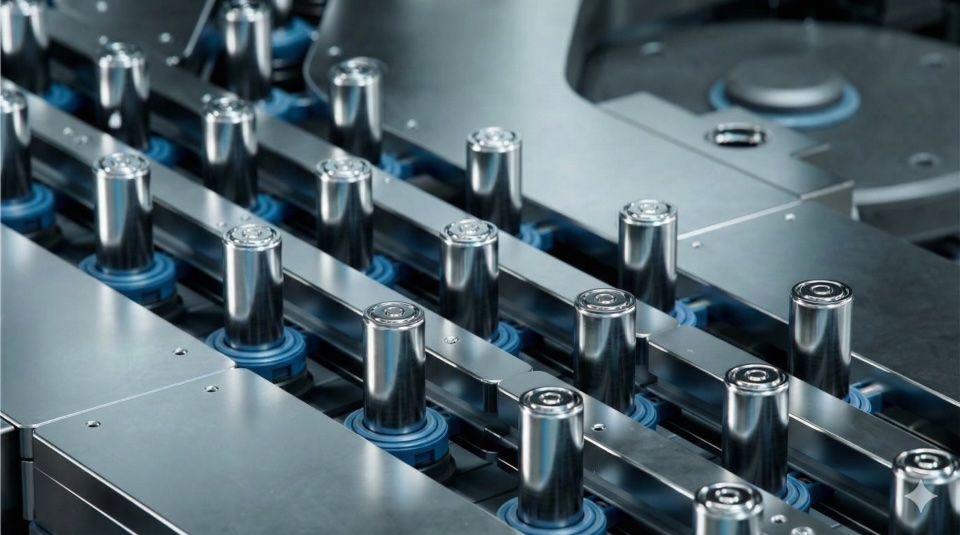
“That is why sovereign battery capability must sit alongside drone investment. At Volklec, our focus is on building UK-based cylindrical cell manufacturing for defence and specialist applications where trusted origin, repeatable performance and supply-chain assurance matter. We have created a clear and established pathway to full NDAA compliance, including upstream materials, within the required timeframe, to help UK companies enter US and allied markets.
“The government’s drone investment is a big win for UK industry, but manufacturers that want to be part of this £5 billion spend now need to start mapping out the provenance of cells, materials, electronics and battery management systems across current and future programmes. They should identify exposure to single-source dependency, volatile pricing and future compliance risk. Most importantly, they should begin qualifying trusted UK and allied cell suppliers before the most credible routes to a resilient supply are already allocated.
“Autonomous systems are defining the future of defence, and the countries that control the critical components behind those systems control the pace of innovation, resilience of deployment and freedom to export. If the UK is serious about building a long-term autonomous defence industry, it needs a stronger domestic battery manufacturing base that can support the platforms being developed. Without that, we risk creating world-class drone programmes that remain dependent on overseas-controlled supply chains for one of their most important components.”