

 As the UK prepares for the Future Homes Standard, low-carbon technologies are becoming increasingly central to how we heat and power our homes. Solar, heat pumps, EV charging and battery storage are creating homes with the potential to be highly intelligent and flexible. But the value of this combination depends on something beyond the hardware itself – intelligent coordination, says Iván Castro, Managing Director at Levelise
Create flexible assets
A home with solar PV, a heat pump and battery storage has all the ingredients needed to become a more efficient and flexible energy system. But simply adding more technology does not automatically deliver the maximum benefit. The real value comes when those technologies can work together.
Traditional homes have operated as passive energy consumers. Electricity is imported from the grid whenever it is needed, with limited ability to influence when demand occurs.
For instance, a heat pump does not always need to operate at the exact moment it is switched on. An electric vehicle rarely needs to begin charging immediately when it is connected. A battery can decide whether to charge, discharge or remain idle depending on wider system conditions.
These assets create flexibility – but flexibility only has value when it can be managed intelligently. Without coordination, electrification could unintentionally increase pressure on the electricity system.
With intelligent control, those same technologies become valuable flexible assets. Charging can be shifted to periods when renewable generation is abundant. Heating can be optimised around household requirements and energy prices. Batteries can respond dynamically to both household needs and wider grid conditions.
The result is a system that works more efficiently for the homeowner while supporting the transition to a more flexible electricity network.
The orchestration layer
The challenge is that these outcomes cannot be achieved through hardware alone. Behind every intelligent energy system is a sophisticated digital layer that connects devices, analyses data and makes decisions in real time.
This orchestration layer is responsible for understanding multiple variables simultaneously: household consumption patterns, weather forecasts, solar generation, electricity prices, grid requirements and the operational needs of individual assets.
It must balance competing priorities. For example, a battery could maximise solar self-consumption, reduce electricity costs through tariff optimisation or provide flexibility services to the grid. The right decision depends on conditions at that moment.
This requires more than simple automation. It requires continuous forecasting, optimisation and control. The intelligence is not contained within any single asset. It sits in the software connecting them.
Providing the necessary infrastructure
A household battery cannot participate in energy markets independently. Market access itself is infrastructure: registration, qualification, credit and compliance are beyond any household, so the platform carries that burden while software protects comfort and battery health.
Flexibility needs infrastructure: a data and control layer that glues the asset to the market, handling telemetry, forecasting, optimisation, dispatch and settlement-grade metering.
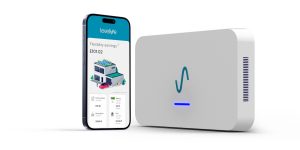 An effective platform, such as Levelise Hub, sits alongside a home battery to solve this by acting as the link between domestic energy assets and wider energy markets. It manages the complexity behind the scenes, while ensuring homeowners continue to receive the benefits of their technology without compromising comfort or battery health.
The next stage of the energy transition
The domestic renewables sector has achieved a huge amount by making low-carbon technologies available to homeowners. The next stage will be about making those technologies smarter.
The future home will not simply generate electricity, store it and consume it. It will actively manage energy based on household needs, market conditions and the requirements of the wider grid.
 For installers, this represents an important shift. The role is evolving from fitting individual products to delivering integrated energy systems that provide greater value over the lifetime of the installation. And as homes become increasingly electrified, that orchestration layer will become just as important as the hardware itself.