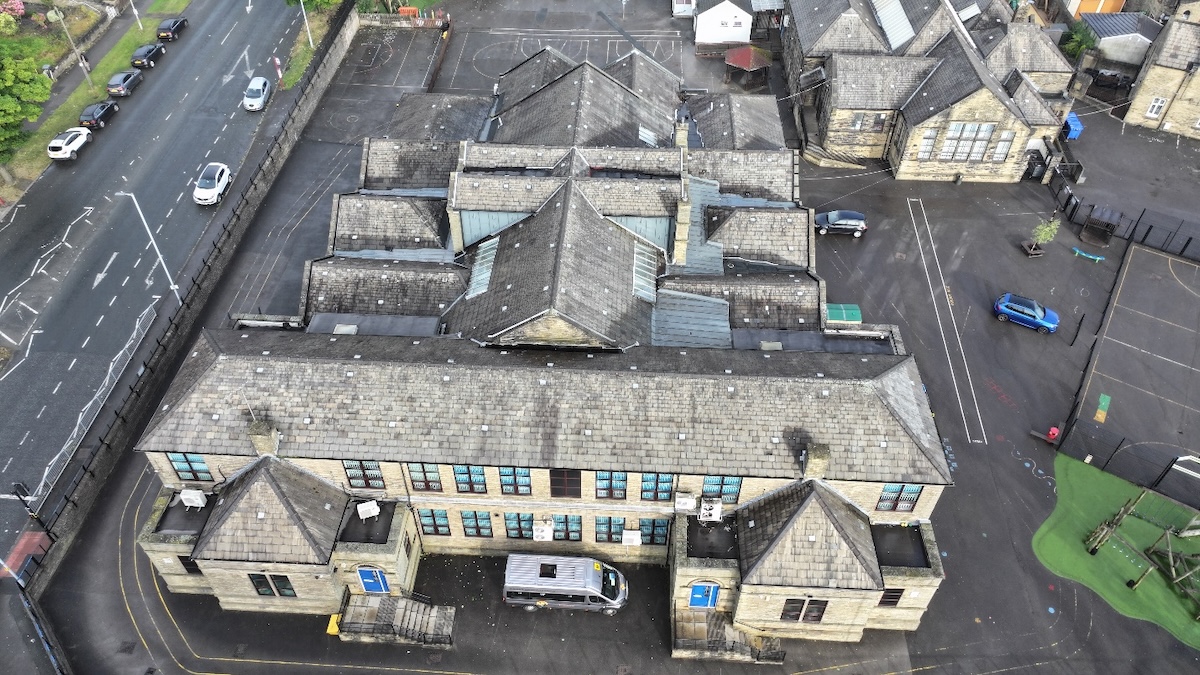
From 18 June 2026, MIS 3002 V6.0 becomes mandatory for every MCS-certified solar PV installation in the UK. For the first time, the standard requires the roof structure to be checked, before installation, to confirm it can carry the array.
On paper that is a welcome step. Commercial rooftops have carried solar for years on assumptions that were never tested, and a mandatory structural check is overdue. But there is a gap in the wording, and on a commercial roof it matters.
The standard requires the check to be carried out by a ‘suitably competent person’. It does not say that person must be a structural engineer. In practice that leaves the single most important judgement on a solar project, namely whether this roof can safely carry this array for the next twenty-five years, open to being signed off by someone without the structural training to make it.
It is tempting to assume a certified mounting system removes the need for an engineer. It does not. A mounting kit certified to the MCS mounting standard tells you what the array demands of the roof: its weight, its wind uplift, how the load is distributed. What it cannot tell you is whether your specific roof, at its actual age, in its actual condition, with whatever modifications it has seen since it was built, can accept that demand. The kit describes the load. Confirming the structure can take it is a separate calculation, and that calculation is structural engineering.
The scale of what an untrained check misses is not theoretical. Across 575 UK commercial rooftops we assessed for solar feasibility, one in three needed structural intervention before panels could go on. Seventy-eight per cent of flat-roof ballasted installations needed their ballast reconfigured to be safe. Sixty-two per cent of ageing asbestos-cement roofs failed a wind-uplift adequacy check on first review. None of those are failures a visual once-over by a non-engineer reliably catches. They are failures you find by calculating.
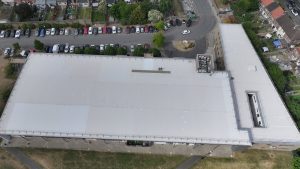
To be fair to the standard, it does require a qualified structural engineer in specific situations: where a roof is unusual or there is any doubt about it, and for every flat-roof ballasted system. The difficulty is that those situations describe the majority of commercial roofs. Low pitches, parapets, large clear spans, ageing membranes, ballasted arrays: this is the everyday reality of commercial solar, not the exception. So, for most commercial projects an engineer is already required. The loophole bites hardest where people assume their roof is ‘standard’, when, structurally, it is not.
There is a second reason the question is effectively settled for commercial work, and it has nothing to do with the standard. No lender, insurer or technical advisor will underwrite a twenty-five-year rooftop asset on a tick-box check by an unqualified person. They want structural evidence signed by an engineer, because they are the ones carrying the risk if the roof fails. The market has already set the bar higher than the regulation does.
The honest reading of MIS 3002 V6.0 is that it sets a floor, not a standard of good practice. A ‘suitably competent person’ is the minimum the regulation will accept. On a commercial roof, that competent person should be a structural engineer, because confirming a building can safely carry a load for a quarter of a century is, by definition, structural engineering. Anything less is not a check. It is a signature.
If you are installing, financing or insuring commercial solar after 18 June, the question to ask is not ‘have we met the standard?’ It is ‘who actually checked the roof, and were they qualified to?’
 Sahir Raihan is a qualified structural engineer and Managing Director of Solar Surveys, an independent structural engineering practice for commercial solar PV.