
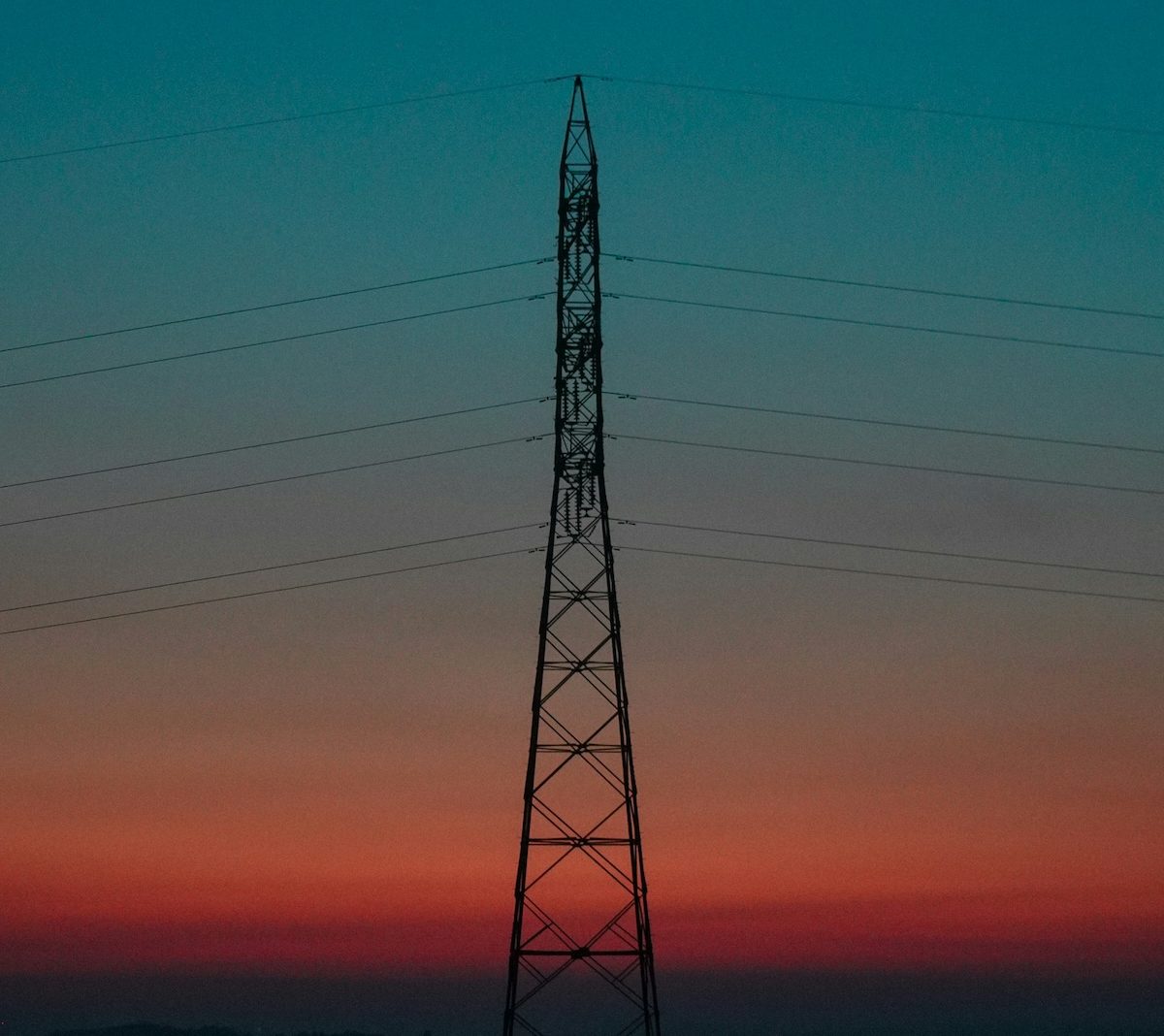
Global energy systems are undergoing a once-in-a-generation transformation and the Internet of Things (IoT) is at its core. From enabling distributed generation to optimising grid performance, connected devices now underpin the shift to smarter, cleaner, more data-driven energy. But as reliance on IoT grows, so does the need for end-to-end resilience and security. Without it, the risk of downtime – and the potential for widespread outages – increases sharply.
Recent events underline the stakes. In March, a fire at a National Grid substation triggered a power outage that shutdown Heathrow Airport, causing “tens of millions“ in losses. A month later, Spain and Portugal endured a widespread blackout caused by insufficient voltage capacity and led to surging electricity prices in Portugal.
 While neither incident was caused by IoT, both illustrate the disruptive impact of grid failures and why every link in the energy supply chain, including IoT, must be strong. Energy is critical national infrastructure, after all, writes Paul Bullock, Chief Product Officer, Wireless Logic.
How is the IoT embedded in energy infrastructure?
The use of IoT is growing apace in the energy industry. It is now so prevalent and integral that the sector is forecast to use 1 billion cellular connections by 2028.
The reasons for this are clear. The energy sector is moving away from a reliance on fossil fuels and towards renewable, green energy sources. Technology is reshaping how countries generate, store and distribute energy, aiming for a more sustainable ecosystem, built on smart grid. Data is the lifeblood of this transformation, supported by automation to maximise efficiency and reliability.
The IoT enables real-time monitoring of systems and connects smart meters, microgrids, wind turbines, solar farms, hydro power plants, battery storage solutions and more. It allows operators to monitor capacity and assets, predict equipment maintenance, manage energy demand and distribution and identify opportunities for cost-saving.
An IoT-powered grid also paves the way for more tailored energy systems for homes and businesses, with renewable energy generation and smarter energy usage. Cellular SIMs in inverters between solar panels and properties, for example, now communicate with applications and back to energy providers, enabling localised energy generation and resale of excess back into the grid.
Is IoT in energy secure and resilient?
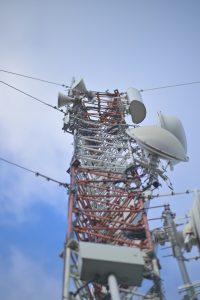 This is all very positive but for operators, energy generators and distributors, the IoT is only an asset if it can be relied on. If IoT devices can’t communicate reliably, the entire energy ecosystem is exposed.
Unfortunately, as networks of connected devices grow, so too does the risk that weak points in the chain of connectivity could result in downtime and therefore energy outages. As we’ve seen this year, when that happens chaos, insecurity, blame and expensive reparations ensue.
Yet, no-one can eliminate risks completely. The IoT can suffer downtime due to a network or power failure, an electro/mechanical fault or damage, a cyberattack or inadequate maintenance.
So acute are cyber risks, that America’s Cybersecurity and Infrastructure Security Agency (CISA), alongside partners, issued a fact sheet on a state-sponsored threat to critical infrastructure networks of service disruption or destruction, should there be a crisis or conflict with the U.S. Whilst the guidance is not specific to the IoT, as the technology proliferates within energy infrastructure, in depth analysis of traffic patterns from cellular devices is essential for visibility and actionable insights.
There is a lot that isn’t in the control of the companies operating IoT solutions. But those companies do need to recognise the risks, mitigate them through proactive resilience measures and have strategies in place to minimise downtime, should it happen, and recover rapidly and effectively.
Rule makers and regulators recognise that consumers and businesses feel the impact when the IoT goes down. They impose regulations and standards that hold companies accountable, adding weight to the importance of making IoT deployments resilient. If they aren’t, the company responsible could be found non-compliant and suffer investigations and penalties on top of the already devastating financial and reputational damage an outage can cause.
How to up the ante on IoT resilience and security
Companies must adopt the highest standards of safety, security and data protection to comply with IoT regulation and protect their business and customers. Resilience must be built-in from the start, end-to-end across the entire IoT solution, at the device, network, software, process and cloud level.
Best practice includes networks and systems designed with redundancy to prevent single points of failure, and with load balancing and auto-scaling to handle demand fluctuations. It also includes automated failover to keep services going, should there be an outage.
Companies must make the right hardware and protocol choices from the start to support scale. Scaling without protection is a major resilience, as well as operational, risk.
Security must be thought about and built-in at every stage. Measures include identity and access management, multi-factor authentication, encryption, vulnerability scanning, endpoint protection and network segmentation. Anomaly and threat detection enhance operational resilience and can be supplemented with AI-driven analysis for investigation and action.
Spain and Portugal bore witness to how important it is to plan capacity. It helps optimise service performance, and so do content delivery networks, caching and edge computing. Measures to rate-limit, meanwhile, prevent overloading for more efficient systems.
There are tools to monitor infrastructure, applications and devices, whilst predictive maintenance – which can be supported by AI-driven analytics – can anticipate failures and identify faults before they happen. Self-healing systems can auto-detect and correct issues.
Rapid and reliable software updates are essential, as are formal change control procedures to reduce risk during updates. Version control of configurations must be maintained, and systems must be audited for compliance.
Then there is the essential disaster recovery plan. It must be comprehensive, should include frequent backups, and procedures should be tested regularly.
Stable energy networks depend on IoT resilience
From grid balancing to energy storage and smart metering, connected systems are now central to energy’s transformation, but every new connection adds risk as well as capability. Recent outages have shown how fragile the energy landscape can be.
The only way to reduce risks and maximise uptime in the IoT solutions that form part of our modern energy infrastructure is to build resilience into every layer. The stability of energy networks, and the trust of consumers and businesses on them, depends on it.